Blue Iris

Blue Iris
Blue Iris Smart Home App Manage Cameras Alerts Anywhere
Screenshots
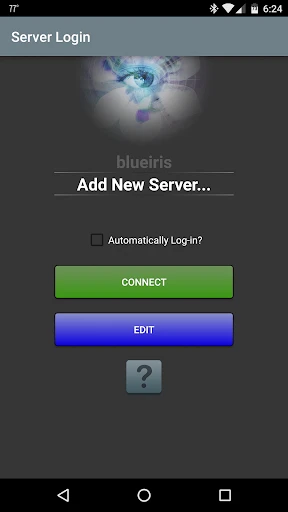
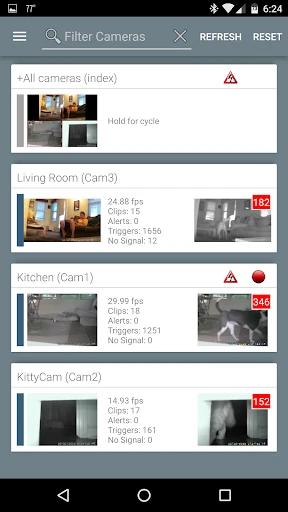

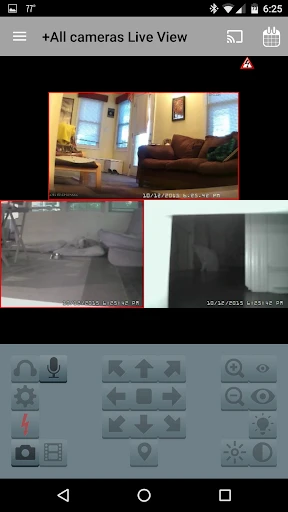
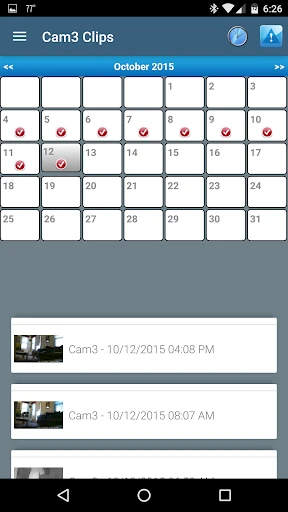
Blue Iris: Comprehensive Mobile Video Surveillance Management Platform
Blue Iris is a powerful mobile application designed to manage and monitor video surveillance systems remotely. It serves as the companion app for the Blue Iris desktop software, enabling users to view live feeds from multiple IP cameras, record events, and control security settings directly from a smartphone or tablet. The platform supports a wide array of camera brands and integrates advanced features like motion detection, push alerts, and pan-tilt-zoom (PTZ) controls. Its primary aim is to provide a centralized, user-friendly interface for both home and business security monitoring, transforming a mobile device into a real-time surveillance command center.
Chapter 1: Function
Blue Iris offers a robust set of core functions centered on real-time video management. Users can view live streams from hundreds of cameras simultaneously, utilizing split-screen layouts for multi-camera observation. The app supports two-way audio communication through compatible cameras, allowing interaction with visitors or intruders. It provides comprehensive recording options, including continuous, triggered, or scheduled recording, with footage stored locally on the desktop system or cloud storage. Advanced motion detection zones can be customized to reduce false alerts, and the app immediately pushes notifications when activity is detected. Additionally, users can remotely control PTZ cameras, adjust video quality settings, and replay recorded clips from a searchable timeline. All functions are accessible through an intuitive interface designed for quick navigation during security incidents.
Chapter 2: Value
Blue Iris delivers significant value by bridging the gap between professional-grade security hardware and accessible mobile technology. Its primary advantage is cost-efficiency; rather than requiring expensive proprietary hardware or monthly subscription fees, it leverages existing IP cameras paired with a single desktop server. The app provides unparalleled customization, allowing users to set granular alert rules, privacy masks, and event-driven automations that adapt to unique security needs. Another key benefit is scalability: whether monitoring a single apartment or a fifty-camera commercial site, the app maintains consistent performance. It enhances situational awareness through features like geofencing, which automatically arms or disarms the system based on the user’s location. The platform also ensures data sovereignty, as recordings remain encrypted on the user’s own network, reducing reliance on third-party cloud services. For businesses, it offers compliance-friendly audit trails and time-stamped evidence retrieval. The app’s value further extends to peace of mind, as real-time access to camera feeds and instant alerts empowers users to respond proactively to threats, whether they are at home, in the office, or traveling. By consolidating multiple surveillance functions into a single, responsive interface, Blue Iris reduces complexity while maximizing security control.
Chapter 3: Scenarios
Blue Iris primarily targets security-conscious homeowners, small-to-medium business owners, and property managers who require reliable, cost-effective surveillance solutions. Typical use cases include residential monitoring, where users watch over children, pets, or exterior property from any location. Business owners deploy the app to monitor retail stores, warehouses, or office lobbies, deterring theft and ensuring staff safety. Property managers leverage it to oversee multiple rental units or parking facilities, using geofencing to automatically adjust security settings. Additionally, IT administrators and security professionals use Blue Iris for remote diagnostics of camera hardware and network health. Day-to-day scenarios involve a user receiving a motion alert on their way to work, opening the app to view a delivery at their front door, or a business owner checking after-hours activity from a smartphone. The app also supports shared access, allowing family members or security teams to view the same feeds, making it ideal for collaborative monitoring in multi-user environments.
Advantages
- local NVR-style processing keeps footage off cloud servers
- custom motion zones on per-camera basis reduce false alerts
- direct RTSP/ONVIF integration bypasses manufacturer apps
- AI-powered object detection distinguishes cars from people
- supports 200+ IP camera models with mixed protocol usage
Disadvantages
- steep learning curve for configuring triggers and overlays
- CPU usage spikes with multiple HD cameras on older hardware
- no native macOS or iOS app; relies on third-party viewers
- subscription required for cloud push notifications beyond basics
- network discovery tool often fails to auto-detect camera settings
Frequently Asked Questions
Q: What is Blue Iris used for?
A: Blue Iris is a video surveillance application for Windows that turns a PC into a full-featured NVR (Network Video Recorder). It supports IP cameras, webcams, and RTSP streams, offering motion detection, alerts, recording, and remote viewing via a mobile app or web interface.
Q: Is Blue Iris free or does it require payment?
A: Blue Iris is not free; it requires a one-time license purchase. A 15-day fully functional trial is available. The standard license covers up to 64 cameras, and there are no subscription fees, though optional paid updates (e.g., version upgrades) may apply after the first year.
Q: Does Blue Iris work with all IP cameras?
A: Blue Iris is compatible with most ONVIF-compliant IP cameras, as well as many proprietary models from brands like Hikvision, Dahua, Amcrest, and Reolink. However, some cameras with exclusive protocols (e.g., certain Nest or Ring models) may not support full functionality. Check the official compatibility list for specifics.
Q: How can I access Blue Iris remotely?
A: Remote access requires the free Blue Iris mobile app (iOS/Android) or a web browser via port forwarding or the Blue Iris’s built-in web server. For secure access, use a VPN or the optional UI3 web interface. No cloud subscription is mandatory, but a stable internet connection and correct network configuration are needed.
Q: Can Blue Iris run on a low-spec computer?
A: Blue Iris can run on modest hardware, such as a dual-core Intel i3 processor with 4GB RAM, for 1-4 cameras. For 8+ cameras or high-resolution streams, an i5/i7 with 8GB+ RAM and a dedicated GPU is recommended. The software uses DirectX for video decoding, so a Windows PC with adequate resources is essential for smooth performance.
Technical Information
Recommended for You

Kik — Messaging & Chat App

Amazon Flex

نبض Nabd - اخبار العالم ، عاجل

Skylight

AirMusic - stream your music!

Applied Ballistics Quantum

Magic Earth Navigation & Maps

USA TODAY: US & Breaking News

Video Downloader: HD Player

Minute Money

Clap to Find My Phone, Whistle

TeamViewer Remote Control

Adobe Acrobat Reader: Edit PDF

Premier Bowl Scorekeeper

FlickReels - Short Drama & TV

brightwheel: Childcare App

Spotify Lite

Google TV

Amazon Alexa

Conversations (Jabber / XMPP)

Mgrs & Utm Map Pro

Medium

Chewy: Pet Shopping & Delivery
