TIDAL Music: HiFi sound

TIDAL Music: HiFi sound
Tidal gives true sound real audiophile quality for music lovers
Screenshots
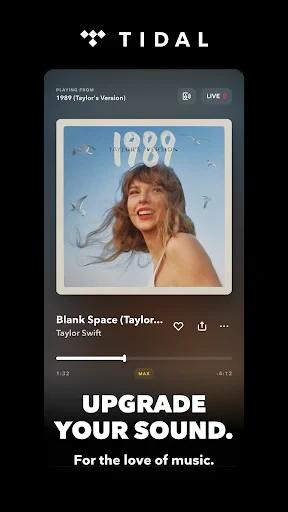
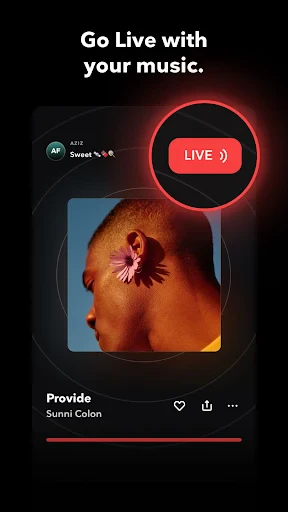
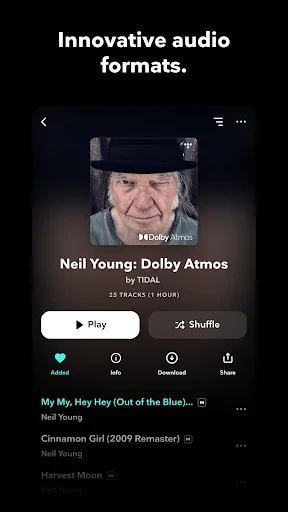

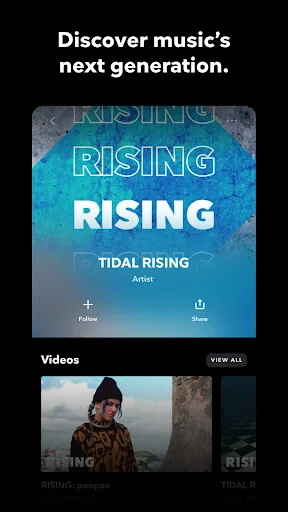
TIDAL Music: HiFi Sound – High-Fidelity Streaming for the Audiophile
TIDAL is a premium music streaming service that distinguishes itself through a commitment to superior audio quality, artist-centric content, and an immersive listening experience. Unlike standard streaming platforms that prioritize convenience over fidelity, TIDAL offers lossless high-resolution audio formats, including Master Quality Authenticated tracks, Dolby Atmos, and Sony 360 Reality Audio. This overview captures the essence of TIDAL: a subscription-based platform designed for listeners who value sound reproduction accuracy, exclusive access to curated playlists, original video content, and direct artist support through higher royalty payouts. The app integrates seamlessly across devices, providing a cohesive ecosystem from mobile to desktop to home theater systems.
Chapter 1: Function
TIDAL's core functions revolve around delivering uncompromised audio quality and rich multimedia content. The primary function is high-fidelity streaming, offering three tiers: HiFi (lossless CD quality, 16-bit/44.1 kHz), HiFi Plus (Master Quality with MQA technology for studio-grade sound), and spatial audio formats like Dolby Atmos. Users can browse a vast catalog of over 110 million songs, curated playlists, and music videos in 4K resolution. The app includes a robust offline download system for high-resolution files, allowing ad-free listening without buffering. It also integrates features like TIDAL Connect for direct streaming to networked audio equipment, smart radio based on listening habits, and the My Mix section which surfaces personalized recommendations. Additionally, the app provides a track-level credits feature, showing songwriters, producers, and engineers, connecting listeners to the creative process behind each track.
Chapter 2: Value
TIDAL's primary value proposition is its uncompromising audio fidelity and artist-first business model. For audiophiles and casual listeners, the key advantage is sonic clarity: Master Quality recordings preserve the original studio nuances, while spatial audio creates a three-dimensional soundstage that standard compressed formats cannot replicate. This delivers a listening experience akin to having a live performance or high-end vinyl rig, without physical media. Another critical advantage is TIDAL's transparent royalty structure, under HiFi Plus, a larger portion of subscription fees is distributed directly to artists based on each user's listening data, not aggregated playlist positions. This empowers users to support creators directly. The platform also offers exclusive content, such as early releases, concert livestreams, and original video documentaries. For those with high-end headphones, DACs, or multi-speaker systems, TIDAL's bit-perfect audio path with support for MQA unfolding ensures maximum hardware exploitation. Its curated library, devoid of algorithm-driven filler, helps users discover deep cuts and rare releases. Finally, the clean, dark-themed interface reduces visual fatigue, letting the music take center stage.
Chapter 3: Scenarios
TIDAL serves several distinct target user groups. Primary users are audiophiles and music professionals, such as sound engineers, producers, or classical musicians, who require accurate sound reproduction for critical listening or mix reference. They use TIDAL in home studios, dedicated listening rooms, or with high-end headphones on commutes. A secondary group comprises early adopters of spatial audio hardware, including owners of Dolby Atmos soundbars, Sony 360 Reality Audio speakers, or multi-driver headphones, who seek content that exploits their systems. Third, TIDAL appeals to artist super-fans who want to support their favorite musicians financially and access exclusive behind-the-scenes content. Everyday use cases include: a user analyzing the production details of a new album using the Credits feature; a commuter downloading Master Quality tracks for a flight to maintain audio quality offline; a social host using TIDAL Connect to stream lossless music to a Wi-Fi speaker system for a dinner party; and a fitness enthusiast creating curated high-energy playlists with pristine bass response for workouts. The app is also used in automotive systems with built-in TIDAL integration for premium car audio setups.
Advantages
- hi-fi lossless streaming with master quality authenticity
- curated editorial playlists by real musicians and critics
- offline downloads for tidal-exclusive dolby atmos mixes
- artist-centric payout model with direct fan support
- seamless sonos and roon integration for audiophiles
Disadvantages
- no free ad-supported tier restricts casual trial usage
- mobile app drains battery faster than spotify on high-res
- limited social sharing features compared to apple music
- master quality tracks buffer heavily on weak wifi
- catalogue smaller for niche indie and regional artists
Frequently Asked Questions
Q: What is TIDAL Music and its core function?
A: TIDAL Music is a subscription-based streaming service focused on high-fidelity audio. Its core function is to deliver lossless HiFi sound quality, including FLAC and MQA formats, along with curated playlists, exclusive artist content, and music videos. It positions itself as a premium alternative for audiophiles seeking superior sound over standard compressed streaming options.
Q: Is TIDAL Music free or requires a paid subscription?
A: TIDAL requires a paid subscription to access its full catalog. It offers a free trial period, but after that, users must choose between plans like HiFi (lossless CD quality) or HiFi Plus (Master Quality Authenticated and Dolby Atmos). No permanent free tier exists; all features require a monthly fee.
Q: Does TIDAL work on all devices and operating systems?
A: TIDAL is compatible with iOS, Android, Windows, and macOS devices. It also supports select smart TVs, Sonos speakers, and车载 systems. However, some features like MQA playback may require external DAC hardware for full decoding. Offline downloads are available, but limited to two devices per account.
Q: How does TIDAL differ from Spotify or Apple Music?
A: TIDAL differentiates by prioritizing lossless and Master Quality audio, whereas Spotify and Apple Music standard tier use lossy compression. TIDAL also offers exclusive artist interviews, videos, and curated playlists by industry experts. However, its music catalog is slightly smaller, and it lacks a free ad-supported tier.
Q: Can I download songs for offline listening on TIDAL?
A: Yes, TIDAL allows offline downloads for all paid subscribers. Users can download albums, playlists, or tracks directly to their device for playback without internet. However, downloads are limited to a maximum of two devices per account, and songs must be refreshed by reconnecting to the internet every 30 days to remain available offline.
Technical Information
Recommended for You

MyRadar Weather Radar

Tagged - Meet, Chat & Dating

Microsoft Copilot

DRIVE Electric for Tesla

Car Engine Sounds - Gas Pedal

Ace Hardware

UKG Pro

Cheogram (Jabber, Call, Text)

ScanBizCards Premium

Tagofy - Geotag Map Camera

Necrophone - Spirit Talker

Days To | Countdown

TalkingParents: Co-Parent App

GPS Location Tracker Phone App

Vivid Seats | Event Tickets

Email for Outlook, Hotmail

Tide Charts

Tether: Local Match Dating

SAP Concur

Vestiaire Collective

FourKites CarrierLink App

Weather app - Radar & Widget

Wahy (Holy Quran)