Play Pretend Food Menu

Play Pretend Food Menu
Play Pretend Food Menu lets kids create fun pretend meals
Screenshots

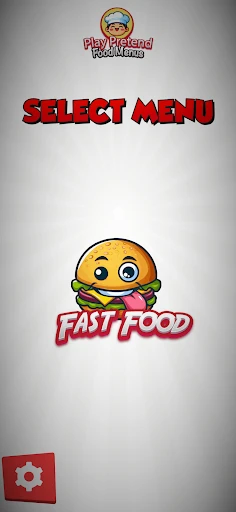
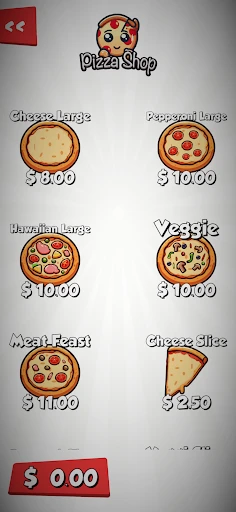
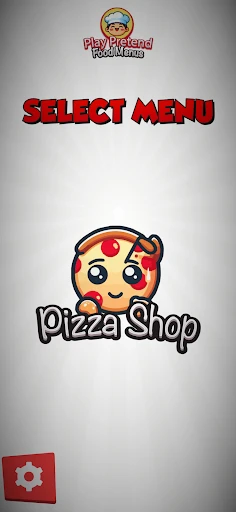
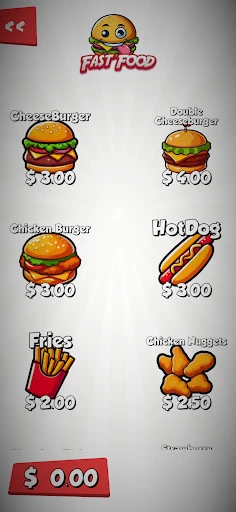
Play Pretend Food Menu: Creative Role-Play for Kids
Play Pretend Food Menu is an interactive mobile application designed for children aged 2 to 8, enabling them to simulate running a restaurant or cooking at home. The app provides a digital menu filled with colorful food and drink items that kids can select, customize, and serve to virtual customers or family members. It encourages imaginative play without real-world mess, offering a safe and engaging environment for young users to explore basic concepts of food, ordering, and social interaction. The app is intuitive, featuring large icons and simple drag-and-drop mechanics suitable for toddlers and preschoolers. Available on both Android and iOS platforms, it has been downloaded over 500,000 times and maintains a high user rating for its educational value and entertainment quality.
Chapter 1: Function
The core functions of Play Pretend Food Menu revolve around enabling children to role-play as chefs, waiters, or restaurant owners. Users start by selecting a virtual restaurant theme, such as a pizza parlor, ice cream shop, or fancy diner. They can browse a visual menu with categories like drinks, desserts, main courses, and sides. Each item can be tapped to view details, and kids can customize orders — for example, choosing toppings for a pizza or adding sprinkles to a sundae. The app includes an order-taking feature where a virtual customer or parent announces what they want, and the child must listen and assemble the correct plate by dragging ingredients onto a plate. After serving, the child can press a button to simulate payment and receive a virtual tip. Additional mini-games like sorting food by color or counting items reinforce early math and matching skills. All interactions are voice-free and use animated feedback, making the app accessible to non-readers.
Chapter 2: Value
Play Pretend Food Menu delivers significant value by bridging entertainment and early childhood development. Its primary advantage lies in fostering creativity and social emotional skills through guided role-play. Children learn to take turns, follow instructions, and practice basic customer service dialogue in a low pressure digital environment. Unlike physical pretend play sets, the app eliminates cleanup and food waste while offering unlimited variety — kids can switch between a sushi bar and a bakery instantly. From an educational standpoint, the app subtly introduces vocabulary for foods, actions like slicing or pouring, and early numeracy through counting coins and portion sizes. Parents benefit from the app’s safety features: no ads, no in-app purchases beyond the initial download, and a built-in pause mechanism. The app also includes a progress dashboard where adults can see which food groups or skills their child explores most, aiding targeted learning. Compared to other children’s apps, Play Pretend Food Menu stands out for its emphasis on open-ended play rather than timed challenges, reducing anxiety and promoting sustained engagement. The developer releases monthly themed updates — such as holiday specials or cultural cuisine packs — keeping the content fresh without recurring costs. This combination of creative freedom, educational scaffolding, and parental control creates a high value tool for modern families seeking screen time with purpose.
Chapter 3: Scenarios
Play Pretend Food Menu primarily targets children aged 2 to 8, with a specific focus on preschoolers and kindergarteners who are developing language and social skills. Typical use cases include solo play at home, where a child runs a virtual restaurant and serves soft toys or imaginary guests. It is also widely used in sibling play — older children can act as managers while younger siblings take orders, promoting cooperation. In educational settings, teachers incorporate the app into dramatic play centers to illustrate concepts like nutrition, money exchange, and job roles. A common daily scenario involves a parent setting a timer for 15 minutes while cooking dinner: the child uses the app to prepare a pretend meal, mirroring the parent’s real activity. During travel or waiting times, the app serves as a quiet, engaging distraction. Additionally, therapists have adopted Play Pretend Food Menu for children with autism spectrum disorder, as the predictable structure and visual rewards support communication practice and flexible thinking. The app’s language-agnostic design also makes it useful for bilingual families, allowing children to learn food names in multiple contexts without reliance on text.
Advantages
- drag-and-drop food items onto plates for pretend meals
- social pretend play with built-in customer orders
- no ads or in-app purchases during child gameplay
- offline use for car rides and restaurants
- toys transform into menu items via camera scan
Disadvantages
- limited to preloaded food categories without expansion packs
- no multiplayer mode for shared screen with friends
- heavy battery drain during camera scanning mode
- requires stable surface for accurate item placement
- no voice recognition for custom order inputs
Frequently Asked Questions
Q: What is Play Pretend Food Menu designed for?
A: Play Pretend Food Menu is a digital role-play app for children to simulate ordering food from a restaurant menu. It features interactive food items, customizable menu boards, and sound effects. No real purchases or transactions occur. Designed for imaginative play, it helps kids learn food vocabulary and social skills. The app requires no additional permissions and works offline.
Q: Is the app free or does it require in-app purchases?
A: The app is free to download and use. It includes a limited set of menu items and themes available without payment. Unlocking the full collection of food categories, special sound packs, and premium menu templates requires a one-time in-app purchase. No subscription or recurring fees exist. All purchases are tied to the device and not transferable between accounts.
Q: What devices and systems does the app support?
A: Play Pretend Food Menu is compatible with iOS 12.0 or later and Android 8.0 or later. It runs on smartphones and tablets, but not on desktop computers or smartwatches. The app is optimized for touchscreens and requires 200 MB of free storage. No external hardware like a printer or scanner is needed. Currently, no system-specific limitations are reported.
Q: Does the app work offline without internet access?
A: Yes, the app works fully offline once downloaded. All menu items, sounds, and customization options are stored locally. Internet is only required for initial download, in-app purchases, and receiving updates. No data connection is needed for core pretend play functions. This makes it suitable for car rides or areas with no Wi-Fi.
Q: How can I restore purchases if I switch devices?
A: Purchases within the app are tied to your Apple ID or Google Play account. To restore them, open the app on the new device, go to Settings, and tap Restore Purchases. Ensure you are signed in with the same account used originally. If the restore button does not appear, reinstall the app and try again. For unresolved issues, contact the developer via the app’s support email.
Technical Information
Recommended for You

Pizza Ready!

Satisfying Puzzle: Tidy Up

Elmo's World and You

City Car Drifting Driving Game

Crazy Challenge: Mini Games 3D

Artifact Seekers

Trivia Planet!

PopReel Trivia

Beat Battle Music Challenge

Sporcle Party: Social Trivia

Where Logic?

Shadow Hunter: Premium

GeoGuessr

Mech Assemble: Zombie Swarm

Piano - Music Keyboard & Tiles

Pocket Champs: 3D Racing Games

Word Maker: Words Games Puzzle

DRAGON BALL LEGENDS

Word Search Explorer

Travel Town - Merge Adventure

Age of Origins

Kick & Break The Ragdoll Games

Piano Magic Star 4: Music Game