Prodigy Math: Kids Game

Prodigy Math: Kids Game
Math adventure for kids building skills through battles
Screenshots

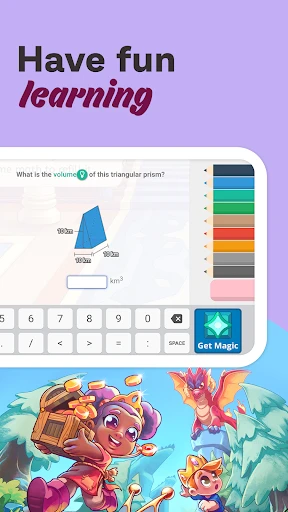

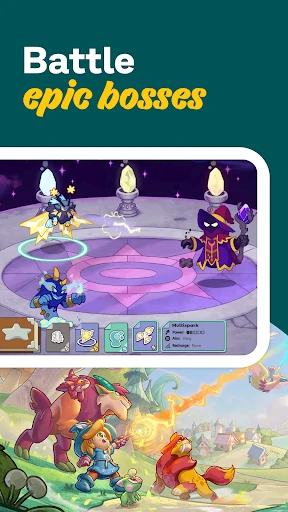

Prodigy Math: Kids Game Feature Overview
Prodigy Math: Kids Game is an educational platform designed to make mathematics engaging for children through a role-playing game (RPG) framework. It aligns with curriculum standards for grades 1 to 8, allowing students to practice math skills while exploring a fantasy world. The app combines adaptive learning technology with gameplay mechanics, enabling personalized progress tracking for educators and parents. Its core appeal lies in transforming traditional math exercises into interactive challenges, reducing resistance to learning while maintaining academic rigor.
Chapter 1: Function
The app integrates math practice into a quest-based RPG where players create avatars, battle virtual pets called pets, and explore a magical realm. Each in-game action, such as casting a spell or defeating a monster, requires solving a math problem tailored to the player’s grade level and skill gaps. The adaptive algorithm adjusts difficulty in real time based on performance, ensuring tasks are neither too easy nor too frustrating. Prodigy covers over 1,400 skills across topics like arithmetic, geometry, fractions, and algebra. Teachers and parents can access dashboards to monitor progress, assign specific curriculum goals, and identify areas needing improvement. The free version includes core content, while a premium membership unlocks additional items and game areas. This blend of gameplay and education encourages consistent practice without explicit pressure, making math feel like a natural part of the adventure.
Chapter 2: Value
Prodigy Math delivers educational value by addressing motivational barriers often associated with math learning. Its primary advantage is gamification: children willingly engage with problems to advance in the game, building fluency through repeated, low-stakes practice. The adaptive system personalizes learning paths, preventing boredom or frustration and fostering a sense of mastery. For educators, the app saves time by automating assessment and generating actionable reports on class-wide or individual performance, enabling targeted interventions. Parents benefit from seeing concrete evidence of skill development outside traditional homework routines. Unlike many educational apps, Prodigy aligns with major curricula, including Common Core in the U.S. and other national standards, ensuring relevance to schoolwork. The social aspect of trading pets and competing in tournaments also promotes collaboration and persistence. However, its reliance on screen time and potential distraction from game elements require mindful supervision. Overall, the app bridges entertainment and education, offering a scalable tool that complements classroom instruction while making math less intimidating. Its data-driven approach ensures that playtime translates into measurable academic outcomes, positioning it as a valuable resource for families and schools seeking to reinforce foundational math skills in a digital age.
Chapter 3: Scenarios
Prodigy Math is primarily designed for children aged 6 to 14, covering grades 1 through 8. Its primary users include students who struggle with traditional math drills or lack engagement with structured homework. Teachers use it as a supplemental classroom tool, assigning in-game quests to reinforce lessons or providing independent practice during station rotation. Parents often integrate it into after-school routines, especially for children who resist worksheets but enjoy digital games. The app also suits homeschooling environments, where it serves as a structured yet flexible math curriculum component. Common daily use cases include 15-minute practice sessions at home, classroom math centers, or as a reward for completing other tasks. The RPG format appeals to children who enjoy fantasy and role-playing, making it particularly effective for reluctant learners. While the app includes competitive elements, such as battling other players, it prioritizes individual progression, making it suitable for both introverted and extroverted children. Prodigy also supports English language learners by providing clear, text-based prompts, though younger or less fluent readers may benefit from adult assistance. Its multiplayer features encourage cooperative play, but parent settings allow limiting interactions for safety. Ultimately, the app fits into any scenario where making math practice enjoyable is the primary goal, from rainy afternoons to structured tutoring sessions.
Advantages
- rewards correct answers with in-game pets and gear
- adapts math difficulty to each child's skill level
- player-versus-player battles require real-time math use
- free-to-play with optional premium membership
- progress syncs across devices for continuous play
Disadvantages
- premium membership needed for full content access
- competitive elements may frustrate younger children
- requires stable internet connection for gameplay
- limited offline practice outside the game world
- some math topics repeat across multiple zones
Frequently Asked Questions
Q: What is Prodigy Math: Kids Game?
A: Prodigy Math is an educational role-playing game for children ages 6-14 that combines math practice with an immersive fantasy world. Players battle monsters and complete quests by solving curriculum-aligned math questions. It covers over 1,400 skills from 1st to 8th grade. The game adapts difficulty based on the child's performance and is available on web browsers, iOS, and Android devices.
Q: Is Prodigy Math free to play?
A: Prodigy Math offers a free version with core math content and game access. A paid Membership option exists, which unlocks exclusive in-game items, pets, and additional rewards. No extra equipment beyond a standard device with internet is required. The free version is fully functional for learning, but some cosmetic features are gated behind the subscription.
Q: What devices and systems are supported?
A: Prodigy Math supports most modern devices. It works on desktop browsers (Chrome, Safari, Firefox, Edge) and mobile via the official app on iOS 12+ and Android 5.0+. It is not compatible with Kindle Fire or older operating systems. An internet connection is required; there is no offline mode. Parents can also access a dashboard on any browser to monitor progress.
Q: How does the game adapt to my child's math level?
A: Prodigy Math uses adaptive learning technology. When a child answers questions correctly, the game increases difficulty; incorrect answers lead to easier questions or review of the same skill. It aligns with common core standards for grades 1-8. Teachers or parents can also assign specific topics via the dashboard, overriding automatic progression for targeted practice.
Q: Can I track my child's progress without a membership?
A: Yes, a free parent account provides progress reports including time played, skills mastered, and areas needing improvement. The dashboard shows real-time data and can send weekly email summaries. No membership is required for this feature. However, advanced reporting like detailed question-by-question analysis is only available with a paid Membership.
Technical Information
Recommended for You

Dawncaster: Deckbuilding RPG

Bebi: Baby Games for 2-4y kids

Real Moto 2

Word Yatzy - Fun Word Puzzler

Goods Puzzle: Sort Challenge™

Cooking Fever: Restaurant Game

Transport Tycoon Empire: City

Everyday Puzzles: Mini Games

Crazy Sort - Goods Sort 3D

Monster DIY: Mix Beats

The Baby In Yellow

Pou

Charades & Headbands Game

Expert Car Driving Academy

Zen Word® - Relax Puzzle Game

Baby Panda's Kids Play

Bus Arrival

Papa's Cluckeria To Go!

FAIRY TAIL: Fierce Fight

Meet the Numberblocks

Keiki Learning games for Kids

Castlevania: SotN

Gabbys Dollhouse: Games & Cats
