Vault of the Void

Vault of the Void
Vault of Void strategic deckbuilder for hardcore roguelike fans
Screenshots
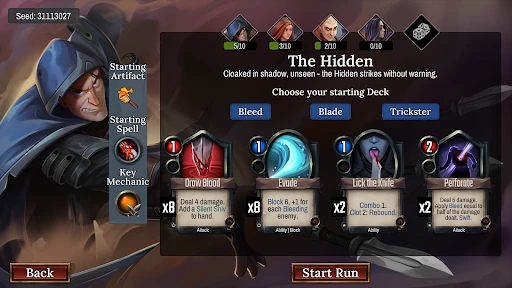
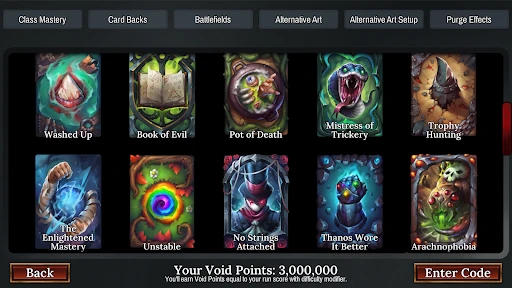
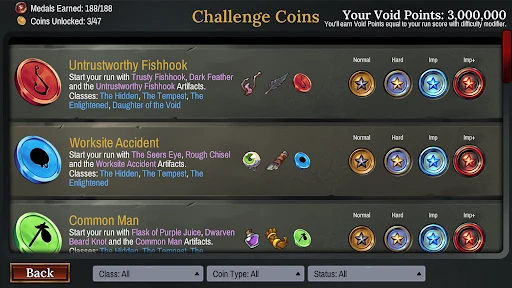
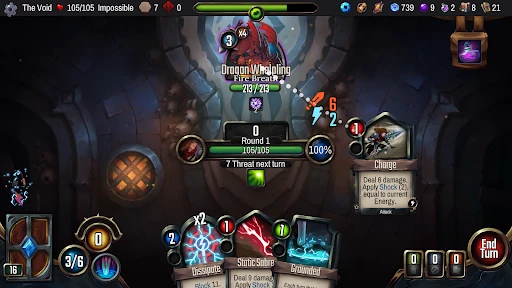
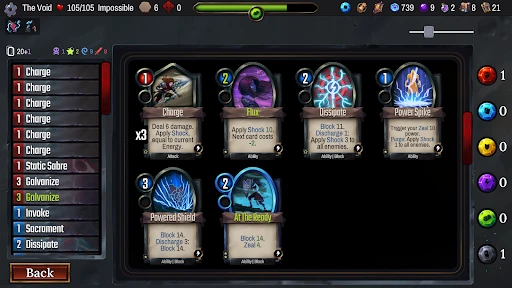
Vault of the Void: Strategic Deckbuilding Redefined
Vault of the Void is a single-player card-based roguelike game that emphasizes strategic depth over randomness. Unlike traditional deckbuilding games where luck of the draw heavily influences outcomes, Vault of the Void allows players to precisely control their hand and plan moves with near-complete information. The game features a unique void system for removing unwanted cards, a flexible energy management mechanic, and a rich array of over 500 cards and relics. It offers multiple difficulty modes and progression systems, making it accessible to newcomers while providing substantial challenge for veterans. The app is available on both Google Play and the Apple App Store, with no mandatory in-app purchases or advertising, offering a premium, uninterrupted gaming experience.
Chapter 1: Function
The core functions of Vault of the Void revolve around its deterministic combat and deck management systems. Players build a deck by selecting cards from a variety of classes, each with distinct playstyles. The primary mechanic is the ability to store cards in a void pile, which permanently removes them from the draw pool, allowing players to refine their deck precisely. Combat is turn-based, with players seeing enemy intentions and acting accordingly using energy points. The game includes a hand-pause feature that lets players plan their entire turn before committing actions. Additionally, relics provide passive bonuses that can be stacked strategically. The app includes a detailed tutorial, an in-game encyclopedia for cards and enemies, and a progression system that unlocks new cards, relics, and harder difficulty tiers.
Chapter 2: Value
Vault of the Void offers significant value through its emphasis on skill and strategy, eliminating the frustration common in luck-heavy card games. Unlike many deckbuilding roguelikes where a bad draw can end a run, this app empowers players by granting full control over their hand size and card removal. The value proposition is anchored in its replayability: with 10 classes, dozens of enemy types, and a wide pool of cards and relics, no two runs feel identical. The game respects player time by allowing runs to be saved and resumed, and it provides meaningful progression through unlockable content. Furthermore, it is a premium app with no pay-to-win elements, no energy systems, and no advertisements, ensuring a fair and focused gameplay loop. The deep strategic layers, from managing void charges to optimizing combos, cater to min-maxers and casual players alike. This combination of accessibility, depth, and fairness positions the app as a standout title in the roguelike deckbuilder genre, offering hundreds of hours of content for a single purchase.
Chapter 3: Scenarios
The primary target user groups for Vault of the Void are fans of strategy games, card enthusiasts, and roguelike players seeking a more thoughtful challenge. It is ideal for commuters or those with intermittent play sessions, as each run can be paused and resumed instantly. Everyday use cases include short 20-minute quick runs during breaks or extended multi-hour strategic sessions at home. The game appeals to players who enjoy analyzing probabilities, experimenting with synergy, and perfecting efficient combos. It also serves as a recommendation for those who found other deckbuilding games too reliant on randomness, as Vault of the Void offers a purer strategic test. Moreover, its difficulty scaling suits both newcomers who can stick to lower tiers and hardcore players seeking the highest challenge. The app is also valuable for tablet gaming, with an interface optimized for touch controls, making it a versatile choice for both smartphones and larger screens.
Advantages
- roguelike deckbuilder with no permanent RNG runs
- hand-crafted enemy encounters replace random battles
- void cards offer strategic sacrifice for resources
- multi-path map with hidden events and shrines
- fast 20-minute runs ideal for quick sessions
Disadvantages
- limited card pool reduces long-term replay variety
- no daily challenge or leaderboard mode included
- art style feels generic compared to Slay the Spire
- mobile port lacks landscape mode option
- initial difficulty spike may frustrate new players
Frequently Asked Questions
Q: What is Vault of the Void's core gameplay?
A: Vault of the Void is a card-based roguelike deckbuilder where players strategically manage a curated hand of cards to defeat enemies. Its unique feature is that you see the entire enemy turn before you play, allowing precise counterplay. No random draws or energy system; you control your hand size and play order.
Q: Is the game free to play or paid with in-app purchases?
A: Vault of the Void is a premium paid app with a one-time purchase price. It includes no in-app purchases for power-ups or currency. All content, cards, and characters are fully unlocked upon purchase, with no additional microtransactions required.
Q: What devices and systems are supported?
A: The app is available on iOS and Android mobile devices, as well as PC via Steam. On mobile, it requires iOS 12.0+ or Android 8.0+ with at least 2GB RAM. It supports both portrait and landscape modes, but does not require any external equipment.
Q: Can I play Vault of the Void without an internet connection?
A: Yes, Vault of the Void is fully playable offline. No internet connection is needed for single-player progression. Online features, if any, are limited to cloud saves (optional) which require connectivity. The core game experience is entirely offline.
Q: How does the unique 'preview enemy turn' feature work?
A: Before each enemy action, the game displays the exact moves the enemy will perform in the upcoming turn. You then play your cards from a fixed hand size (no draw RNG) to block, counter, or mitigate damage. This removes luck-based frustration, focusing on strategic planning and resource management.
Technical Information
Recommended for You

Driving Zone: Germany

Match Villains

Woodoku - Wood Block Puzzle

Idle Zombie Miner: Gold Tycoon

Wordle!

Star Trek™ Fleet Command

Yu-Gi-Oh! Master Duel

Klondike Adventures: Farm Game

HATSUNE MIKU: COLORFUL STAGE!

Dr. Driving

Guess The Drawing

Dragon Hunter Craft

Death Incoming!

Police Pursuit

Sea of Conquest: Pirate War

Spider Solitaire

My Supermarket Simulator 3D

Fruit Merge: Juicy Drop Game

Word Carnival - All in One

My Puppy Daycare Salon

PK XD: Fun, friends & games

123 Numbers - Count & Tracing

Gacha Life 2