Poppy Playtime Chapter 1

Poppy Playtime Chapter 1
Poppy Playtime horror puzzle adventure for brave players
Screenshots
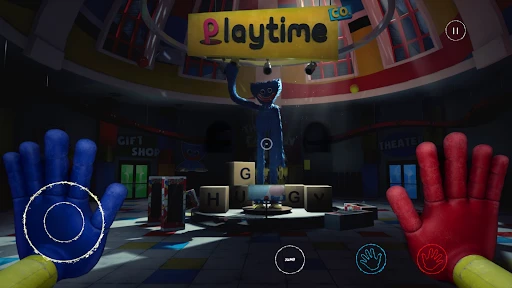
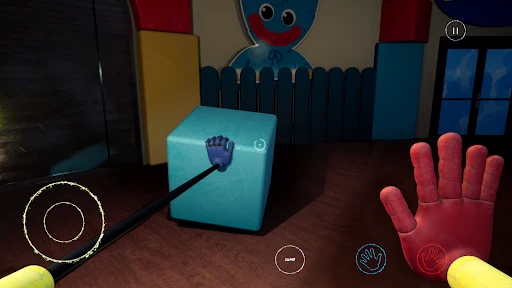
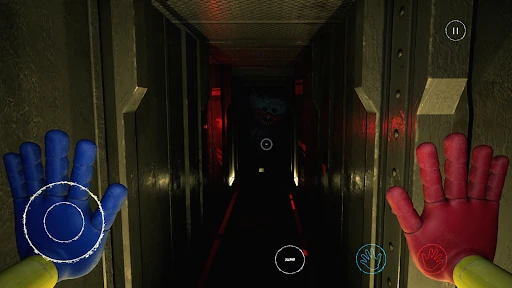
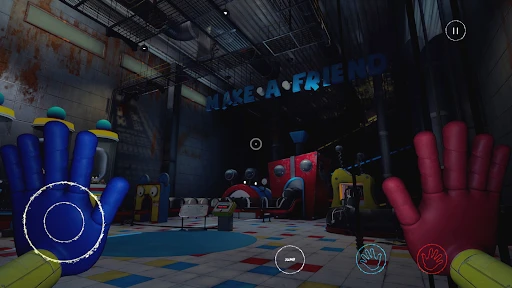
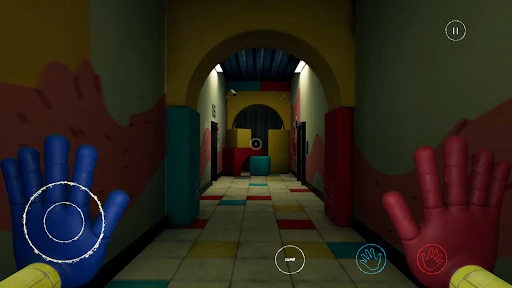
Poppy Playtime Chapter 1: A Gripping Horror Puzzle Adventure Overview
Poppy Playtime Chapter 1 is a first-person horror puzzle game developed by Mob Entertainment. Set in the abandoned Playtime Co. toy factory, players assume the role of a former employee who returns to uncover the mystery behind the disappearance of staff and the eerie silence of the factory. The game combines atmospheric exploration, logic-based puzzles, and tense chase sequences. Its standout feature is the GrabPack, a versatile tool with two extendable hands that allows players to interact with distant objects, pull levers, and solve environmental challenges. The game is available on mobile, PC, and consoles, offering a compact yet immersive horror experience.
Chapter 1: Function
The core function of Poppy Playtime Chapter 1 revolves around puzzle-solving and stealth-based survival. Players navigate through the factory’s dark corridors and assembly rooms using the GrabPack to manipulate machinery, retrieve items, and unlock doors. The game requires careful observation of the environment to find clues, such as recorded messages, employee notes, and malfunctioning toys. Key actions include using the blue hand for grabbing objects and the red hand for conducting electricity or activating switches. A major gameplay element is evading Huggy Wuggy, a towering, menacing creature that patrols specific areas. Players must hide in lockers, crawl through vents, and run to avoid his attacks while progressing through levels. The chapter is linear but encourages thorough exploration to collect hidden tapes and lore items that explain the factory’s tragic history.
Chapter 2: Value
Poppy Playtime Chapter 1 delivers a compelling value proposition through its unique blend of horror, puzzle design, and narrative depth. Unlike jump-scare heavy games, it builds tension through environmental storytelling and methodical pacing. The GrabPack mechanic is innovative, transforming ordinary interactions into strategic challenges that require timing and spatial awareness. The game’s atmosphere, marked by flickering lights, distorted audio logs, and derelict toy machinery, creates a palpable sense of dread. For mobile users, the controls are optimized for touchscreens, including virtual joysticks and swipe-based actions, making the experience accessible without sacrificing intensity. The chapter’s concise length — roughly two hours — respects players’ time while delivering a satisfying arc with a cliffhanger ending. Furthermore, its low price point and lack of microtransactions make it a cost-effective horror title. Replayability is encouraged through collectibles that unlock bonus content, such as concept art and developer commentary, enhancing its long-term engagement. For fans of the genre, it stands out as a modern take on classic point-and-click adventure horror, backed by a chilling narrative that expands in subsequent chapters.
Chapter 3: Scenarios
The primary target audience for Poppy Playtime Chapter 1 includes horror enthusiasts, puzzle gamers, and fans of narrative-driven indie titles. Typical use cases involve solo play sessions during evening hours, where the dark atmosphere can be fully appreciated. Players often engage with the game when seeking a short but intense escape from daily routines, such as during commutes or breaks. The game also appeals to content creators, as its jump scares and chase sequences generate engaging material for streaming platforms like Twitch and YouTube. For casual players, its approachable difficulty curve allows newcomers to horror games to enjoy the story without frustration. Everyday scenarios include competing with friends to find all hidden items or discussing theories about the factory’s lore online. The game’s mobile port means it fits into portable gaming scenarios, whether on a bus or in a waiting room. Additionally, parents and older teens might share the experience as a shared horror story, deepening immersion through cooperative discussion about solving puzzles. Overall, the game adapts to both quick sessions and dedicated playthroughs, making it versatile for diverse lifestyles.
Advantages
- one-hour horror campaign
- no filler gameplay
- Huggy Wuggy AI chases unpredictably each run
- puzzle-solving mixed with stealth
- not pure jump scare
- unreal engine 4 lighting creates genuine tension
- free demo available
- low commitment to try
Disadvantages
- gameplay length under 60 minutes
- feels abrupt
- only one main antagonist
- limited enemy variety
- no manual save
- restart from checkpoint if died
- puzzles are straightforward
- lack deep challenge
- optimization issues on lower-end PCs
Frequently Asked Questions
Q: What is Poppy Playtime Chapter 1 about?
A: Poppy Playtime Chapter 1 is a survival horror puzzle game where players explore an abandoned toy factory. The core function involves solving environmental puzzles, using the GrabPack tool to interact with objects, and evading a living toy named Huggy Wuggy. The game emphasizes atmospheric storytelling and first-person exploration.
Q: Is Poppy Playtime Chapter 1 free to play?
A: No, it is a paid app. It requires a one-time purchase on platforms like Steam or mobile app stores. There are no in-app purchases or additional subscriptions. No extra equipment is required beyond a compatible device, though a controller is optional for better control.
Q: What devices and systems support this app?
A: The app supports Windows PC, iOS, and Android devices. On PC, it requires Windows 7 or newer, 4GB RAM, and a DirectX 11 graphics card. On mobile, it needs iOS 13.0+ or Android 8.0+ with at least 2GB RAM. It is not compatible with macOS or Linux.
Q: How long does the gameplay take to complete?
A: The main story typically takes 1.5 to 2 hours to finish. This includes solving all puzzles and encountering Huggy Wuggy. Replay value is limited due to linear progression. No side content or post-game modes exist in this chapter. It is a single-session experience.
Q: Can I play without an internet connection?
A: Yes, after the initial download and installation, the game can be played entirely offline. No online features or multiplayer modes are present. Achievements or progress sync may require online access on some platforms, but core gameplay functions fully offline.
Technical Information
Recommended for You

KOF 2002 ACA NEOGEO

Trivia Crush

Raptor Evolution

Death Park Coloring Games

I, The One — Fun Fighting Game

DreamCraft City

One Line: Drawing Puzzle Game

Hidden Through Time 2: Magic

L.O.L. Surprise! Disco House

Pocket Champs: 3D Racing Games

Stone Grass: Mowing Simulator

Prison Break: Stick Story

Math Games: Math for Kids

Cute princess babyshower

Fun Race 3D — Run and Parkour

Royal Match

Eternal Empire: Warrior Eras

Let's Create! Pottery

Colorful Mathematics 2

Arena Breakout: Realistic FPS

Fish Eater.io

Ball Sort Puz - Color Game

Western Sniper: Wild West FPS
