TFT: Teamfight Tactics

TFT: Teamfight Tactics
Tactical auto chess battles for strategy gamers seeking deep competition
Screenshots
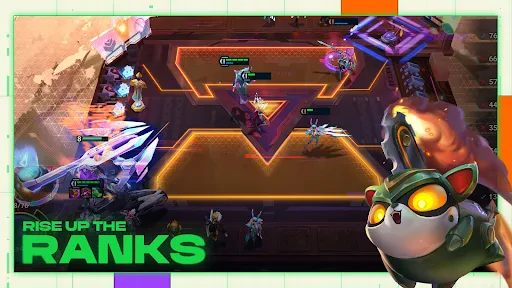
TFT: Teamfight Tactics Strategy and Management Guide
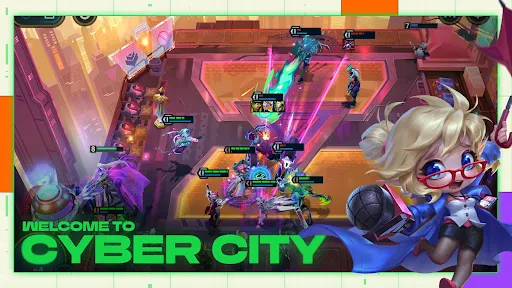
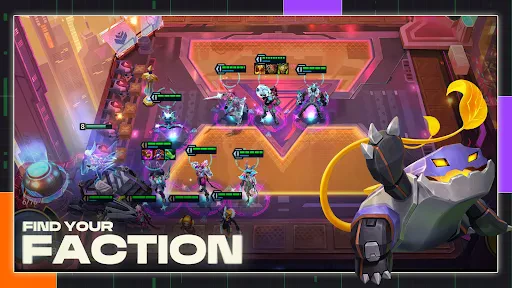
Teamfight Tactics, commonly abbreviated as TFT, is a free-to-play auto-battler strategy game developed and published by Riot Games. Available on mobile platforms via Google Play and the Apple App Store, as well as on PC, TFT challenges players to construct a powerful team of champions from the League of Legends universe. The core gameplay revolves around strategic placement, resource management, and adapting to randomized champion selections. Unlike traditional real-time strategy games, TFT automates combat after players set up their board, emphasizing pre-battle planning and tactical decision-making. Success depends on understanding synergies between champions, optimizing item builds, and anticipating opponent strategies. The game features regular updates with new sets, mechanics, and balance changes, ensuring a dynamic and evolving competitive experience.
Chapter 1: Function
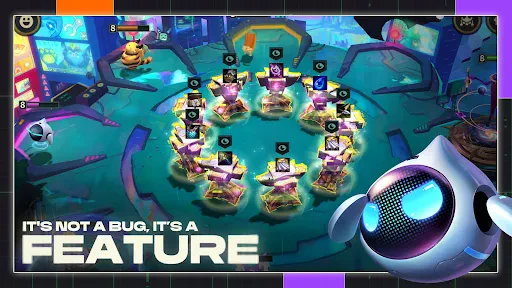
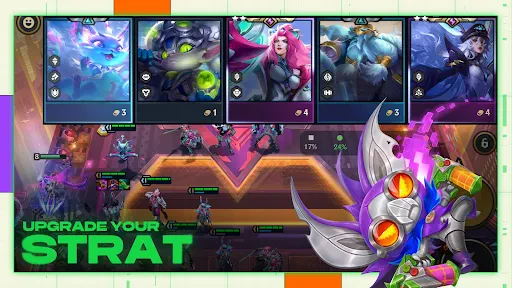
TFT provides a deep strategic auto-battler experience where players compete against seven opponents in a last-player-standing format. The core functions include a rotating pool of champions with unique abilities, traits, and classes that create synergies when placed together. Players manage gold economy to purchase, upgrade, and position champions on a hexagonal grid board. A crucial mechanic is the carousel round, where players draft items or champions in a shared selection pool. The item system allows combining basic components into powerful completed items, granting champions stat boosts or unique effects. Additionally, the game includes a unit tier system, with one-star, two-star, and three-star upgrades that significantly enhance combat power. Small legend avatars provide minor tactical bonuses through a selection of tactical items before each game. The player versus player combat is fully automated, resolving based on champion positioning, items, and synergies, with damage applied to the losing player’s health pool.
Chapter 2: Value
TFT’s primary value proposition lies in its accessibility combined with immense strategic depth, making it appealing to both casual and competitive players. The game is free to play, with all gameplay-affecting content obtainable through in-game currency earned by playing, fostering a fair environment where skill determines success rather than spending. Its turn-based, non-real-time nature reduces the stress of mechanical execution, allowing players to focus on critical thinking, probability assessment, and long-term planning. This makes it particularly suitable for mobile gaming, where quick sessions or seated play are common. The constantly rotating sets, typically every few months, inject fresh mechanics and champion pools, preventing stagnation and rewarding adaptability. TFT also offers a robust ranked mode with ladder progression, appealing to those seeking competitive validation. Furthermore, the integration of popular League of Legends lore and characters provides familiarity for existing fans while the standalone gameplay attracts new audiences. The game supports high-level theorycrafting and community engagement through guides and streams, creating a living ecosystem. For those who enjoy puzzle-like optimization and reading opponent behaviors, TFT delivers a rewarding mental challenge with high replayability. Its cross-platform support means players can seamlessly switch between PC and mobile, maintaining progression and cosmetics across devices.
Chapter 3: Scenarios
TFT primarily targets players who enjoy turn-based strategy and card-collecting mechanics but prefer a less mechanically demanding experience than real-time strategy games. Key user groups include busy professionals or students who can play short matches, typically lasting 20 to 40 minutes, during commutes or breaks. The game also appeals to fans of the auto-battler genre originally popularized by mods like DOTA Auto Chess, as well as League of Legends players looking for a complementary, less intense experience. Typical use cases include playing while watching television or multitasking, as the game allows for pauses between rounds. Competitive players engage in ranked mode to climb the ladder, often studying meta compositions and patch notes. Casual players enjoy experimenting with off-meta synergies and completing daily missions for cosmetic rewards. The mobile interface is optimized for touch controls, making play comfortable in waiting rooms, on public transport, or in bed. Social scenarios include challenging friends in custom lobbies or discussing strategies in online communities. TFT also serves as a spectator-friendly e-sport, with official tournaments and broadcasts drawing dedicated viewers.
Advantages
- auto-chess with deep strategic synergies
- live balance patches keep meta fresh weekly
- mobile crossplay syncs progress seamlessly
- unique carousel draft adds tactical item choice
- high variance keeps each match non-repetitive
Disadvantages
- strong reliance on RNG for champion drops
- steep learning curve for new synergies
- long match duration drains battery quickly
- mobile interface feels cluttered on small screens
- frequent meta shifts frustrate dedicated grinders
Frequently Asked Questions
Q: What is TFT: Teamfight Tactics?
A: TFT is an auto-battler strategy game by Riot Games where you build a team of champions from the League of Legends universe. Core gameplay involves drafting units, positioning them on a grid, and watching automated battles. Unique features include synergies, item crafting, and rotating sets every few months. It is free to play on PC, iOS, and Android with optional cosmetic purchases.
Q: Is TFT free to play with no pay-to-win elements?
A: Yes, TFT is completely free to download and play. All gameplay mechanics, champions, and items are accessible without spending money. In-app purchases are limited to cosmetic items like Little Legends, arenas, and battle passes. There are no pay-to-win advantages, as purchases do not affect gameplay balance or provide competitive benefits.
Q: What devices and systems support TFT?
A: TFT is available on Windows and macOS via the Riot Client, and on iOS and Android devices through respective app stores. Minimum requirements include 4GB RAM and stable internet. Cross-play is supported across all platforms, allowing users to play with friends on different devices. The mobile version requires iOS 12+ or Android 6.0+.
Q: How often does TFT update its content and sets?
A: TFT introduces a new set roughly every 3-4 months, each with unique champions, traits, and mechanics. Mid-set updates add half a set of new units and balance changes. Regular patches occur bi-weekly for bug fixes and balance adjustments. All updates are free, and past sets are occasionally available in a rotating game mode.
Q: Can I transfer my TFT progress between PC and mobile?
A: Yes, TFT features full cross-progression. Your account level, rank, cosmetics, and purchase history sync across PC and mobile via your Riot ID. No additional setup is required beyond logging in with the same account. Note that ranked queues are separate for mobile and PC in some regions, but overall progression remains unified.
Technical Information
Recommended for You

Hangman Words:Two Player Games

Downhill Racer

Shadow Fight 3 - RPG fighting

Sago Mini World: Kids Games
Expert Car Driving Academy

Catch Tiles: Piano Game

Solitaire Pro

Rainbow Surfer: Duet Color

Number Master: Run and merge

Farkle Dice Roll

Bob's World - Super Bob Run

Extreme Car Driving Stunts

Alien Invasion: RPG Idle Space

Dragon Hunter Craft

Solitaire HD - Card Games
Solitaire Collection

DARKEST DAYS

Sky Warriors: Airplane Games

Seekers Notes: Hidden Objects

Grim Soul: Dark Survival RPG

Road Jam : Gridlock Escape

Prank House Escape

Wordscapes Search: Word Games
