Dead Cells

Dead Cells
Dead Cells action roguelite combat for skilled gamers
Screenshots
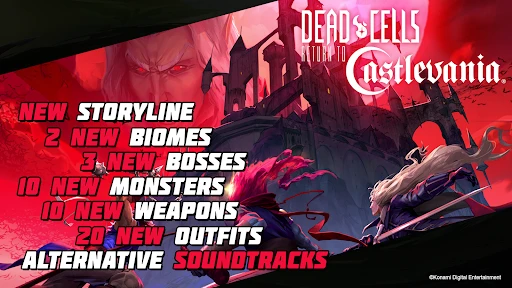


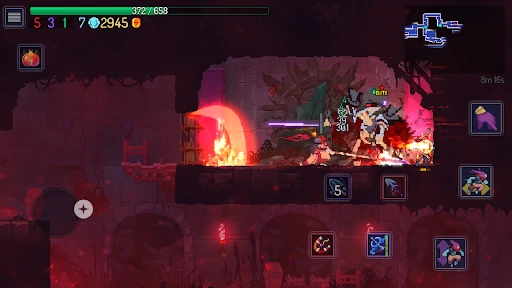
Dead Cells: A Roguelike Action-Platformer with Fluid Combat and Permadeath Progression
Dead Cells is a challenging roguelike action-platformer developed by Motion Twin. It combines fast-paced, fluid melee and ranged combat with a procedurally generated world, where each death sends the player back to the beginning. The game emphasizes skill-based gameplay, rewarding pattern recognition and precise movement. Its core loop involves exploring interconnected, non-linear levels, discovering powerful weapons, gadgets, and mutations, and permanently unlocking new equipment and upgrades that persist across runs. The game is praised for its tight controls, satisfying combat feedback, and dense, atmospheric pixel art.
Chapter 1: Function
Dead Cells core function is a roguelike action-platformer loop where players navigate procedurally generated levels, fighting enemies with a diverse arsenal of melee weapons, bows, shields, and deployable items. Each run starts the player as a nameless prisoner, the Beheaded, who must fight through increasingly difficult biomes. The game features a loot system where weapons and skills, each with unique damage types, special effects, and rarity levels, drop from enemies or appear in chests. Players can equip two weapons, two skills, and a single mutation that provides passive bonuses. The core gameplay emphasizes fast dodging, parrying, and chaining attacks to build a combo multiplier. A key function is the permanent upgrade system housed in the Collector, where cells collected from slain enemies are used to unlock new gear, health upgrades, and gold sharing pools, enabling later runs to start stronger. The Runes system further expands mobility, granting permanent abilities like wall climbing or teleportation, unlocking new areas within the same run or across different playthroughs. Death resets all non-permanent unlocks, forcing the player to adapt their strategy with newly available gear in a fresh, randomized map.
Chapter 2: Value
Dead Cells delivers exceptional value through its masterful blend of addictive action, deep replayability, and skill-based progression. The primary value proposition lies in its near-perfect combat system, which is both responsive and punishing. Every weapon, from a slow broadsword to a twin-dagger set, requires mastering distinct timing and positioning, rewarding skilled play with potent damage output and survivability. This creates a tangible sense of growth, where player skill improves alongside in-game unlocks, making each death a learning opportunity rather than a setback. The procedural level generation ensures that no two runs are identical. While the biome layouts follow a thematic pattern, the specific platform placements, enemy compositions, and loot locations vary dramatically, forcing constant tactical decisions. This randomness removes any reliance on memorization and keeps the experience fresh for hundreds of runs. The permanent progression system, including weapon blueprints, mutations, and health upgrades, provides a clear sense of long-term accomplishment. Players can tailor their build to a preferred playstyle, such as a brutal melee berserker, a tactical ranged marksman, or a survival-focused tank, and the game actively supports these specializations through its scaling system. The hand-drawn pixel art is gorgeous, with vibrant, moody environments that each have a distinct feel, from the toxic sewers to the high-peak castle. The soundtrack, which dynamically shifts with combat intensity, further immerses the player. The free and paid DLC expansions, such as The Bad Seed and Fatal Falls, significantly add biomes, bosses, and weapons, effectively doubling the base games content. Dead Cells has a robust modding community on PC, adding infinite custom content. It is a complete package that respects the players time, offering a challenging but fair loop where mastery is celebrated, and discovery is continuous. It stands as a benchmark for the modern roguelike genre, providing immense value for its price.
Chapter 3: Scenarios
Dead Cells is primarily targeted at players who enjoy challenging, skill-driven action games with a strong emphasis on replayability. This includes fans of roguelikes like The Binding of Isaac or Hades, as well as action-platformer veterans who appreciate tight controls and punishing difficulty. It appeals to mature audiences looking for a deep, rewarding experience rather than casual, narrative-driven journeys. The games high learning curve and permadeath mechanics cater to players who derive satisfaction from incremental improvement and overcoming repeated failures through mastery. Typical use cases include short, focused play sessions during commutes, thanks to its quick restart nature and lack of save-state complexity, as well as extended marathon runs aiming to reach the final boss. It is ideal for players who enjoy theory-crafting and build optimization, experimenting with different weapon and mutation synergies. The procedurally generated maps make it well-suited for streaming and content creation, where each session offers unique moments and challenges. It also serves as a communal challenge, where players share strategies, boss tips, and build discoveries online. The games extensive post-launch content ensures it remains a regular fixture in a players rotation, often revisited after each major update or DLC release. Its high difficulty and lack of hand-holding make it less suitable for casual players seeking a relaxing, story-focused experience, but perfect for those craving a pure, mechanical challenge.
Advantages
- permadeath makes each run a fresh tactical puzzle
- fluid combat with precise roll parry and weapon swap
- runes unlock new routes instead of stat boosts
- biomes shift order based on player progression choices
- 4k 120fps on high end devices with low input lag
Disadvantages
- touch controls lack dedicated dodge button for claw grip
- no cloud save sync across ios and android versions
- randomized weapon pools can force suboptimal builds
- boss damage sponges on higher boss cell difficulty
- inventory management interrupts run flow without pausing
Frequently Asked Questions
Q: What is Dead Cells and what core features does it offer?
A: Dead Cells is a roguelike action-platformer combining fast-paced combat with procedural level generation. Core features include permadeath mechanics, unlockable weapons and skills through permanent upgrades, and fluid movement systems like dodging and wall-jumping. It supports multiple difficulty levels via Boss Stem Cells for replayability.
Q: Is Dead Cells free to play or does it require in-app purchases?
A: Dead Cells is a premium paid app with no free-to-play version. The base purchase grants full access to the main game. Optional in-app purchases include DLC expansions like The Bad Seed and Fatal Falls, which add new biomes, bosses, and weapons. No additional equipment or subscriptions are required.
Q: What devices and systems are compatible with Dead Cells?
A: Dead Cells supports iOS 11.0 or later on iPhone, iPad, and iPod touch, as well as Android 6.0 and up. Controller support is available for Bluetooth gamepads. The game requires at least 2GB of RAM for smooth performance on mobile. Older devices may experience lag due to demanding graphics.
Q: How does the permanent progression system work when dying?
A: Upon death, players lose all temporary upgrades and gold from that run. However, permanent progression is retained through the Collector’s Cell, allowing unlocks of blueprints, weapons, mutations, and health flask upgrades. This ensures gradual character strengthening across multiple runs without losing overall progress.
Q: Can I play Dead Cells offline without an internet connection?
A: Yes, Dead Cells fully supports offline play once the game and any purchased DLC are downloaded. No constant internet connection is required. However, cloud save syncing and achievement tracking may require a temporary connection. The core gameplay experience remains identical offline.
Technical Information
Recommended for You

Princess Coloring Book & Games

Grand Hotel Mania: Hotel games

Dice Dreams™️

Ragdoll Break: Let's destroy!

Logo Quiz:Guess Brand Game

After Inc.

Scrabble® GO-Classic Word Game

WeCraft Worlds

FPS Strike Ops : Modern Arena

BMX Cycle Extreme Bicycle Game

NumMatch: Logic Puzzle

Like Nastya: Party Time

Tiki Solitaire TriPeaks

Solitaire HD - Card Games

Coloring Games for Kids: Color

Beat Fight:Full Mod Battle

Bubbu 2 - My Pet Kingdom

Ocean Is Home :Island Life Sim

Word Carnival - All in One

Mad Skills Motocross 3

Incredible Mustard Music Box

Pilot Simulator: Airplane Game

Boddle
