The Official MTA App

The Official MTA App
MTA travel updates live trip planning for NYC commuters
Screenshots

About The Official MTA App feature Overview Function Value Scenarios
The Official MTA App is the primary digital tool provided by the Metropolitan Transportation Authority for navigating public transit in New York City. It serves as a comprehensive guide for riders on subways, buses, and commuter railroads. The app integrates real-time data, schedule information, and service alerts into a single interface, simplifying the daily commute for millions of users. Its core purpose is to deliver accurate and timely travel information, helping users plan trips, avoid delays, and understand service changes. By centralizing official data, it eliminates the need to rely on third-party sources, ensuring that passengers receive verified updates directly from the transit authority. The app is designed for both residents and visitors, offering accessibility features and a straightforward layout. It focuses on reliability and clarity, aiming to reduce uncertainty during transit. As the official platform, it provides a direct line to authority-wide announcements, making it an essential resource for anyone using MTA services. Its commitment to real-time accuracy distinguishes it from other transit applications on the market.
Chapter 1: Function
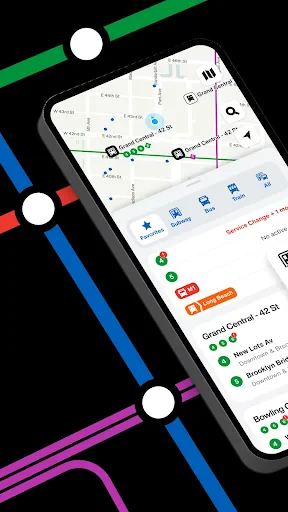
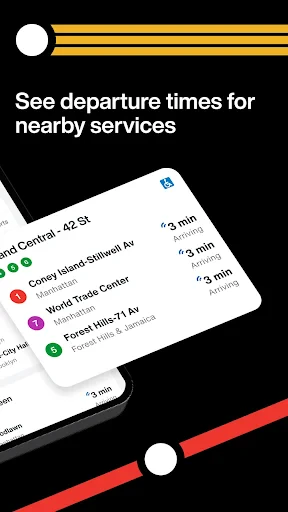
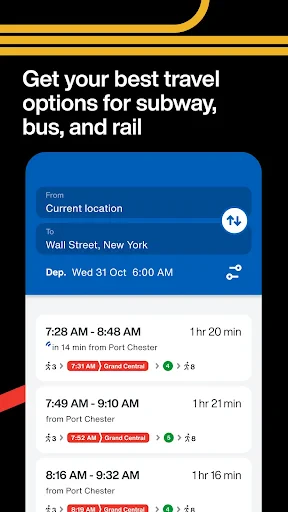
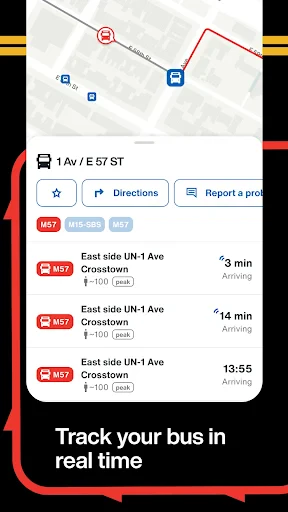
The Official MTA App provides several core functions that streamline the transit experience. Its primary function is real-time trip planning, allowing users to input a destination and receive step-by-step directions using subways, buses, and railroads. The app integrates live vehicle tracking, showing the exact location of buses and trains on a map. Another key function is the service status dashboard, which displays current delays, planned work, and emergency alerts for each line. Users can access timetables for all routes, including weekend and holiday schedules. The app also includes a feature for purchasing and storing MetroCards or OMNY fare payments directly, facilitating contactless entry into stations. Additionally, it offers notifications for service disruptions on saved routes, providing proactive updates. The interface includes accessibility information, such as elevator status and station layouts for wheelchair users. Trip history and favorite routes can be saved for quick access. For commuter railroads, the app provides specific schedules, platform assignments, and ticket purchasing options. All data is pulled directly from MTA systems, ensuring consistency with official sources. The app supports multiple languages and offers a text-based mode for low-vision users. Its design prioritizes simple navigation, with large buttons and clear icons. The core functions are updated regularly to reflect network changes and user feedback.
Chapter 2: Value
The value proposition of The Official MTA App lies in its authority, accuracy, and integration. As an official product, it eliminates the risk of relying on outdated or unofficial data sources, a common problem with third-party transit apps. Users benefit from direct access to MTA systems, meaning real-time tracking and delay information are as current as the agency's internal networks. This accuracy is critical during peak commuting hours when service changes are frequent. The app's key advantage is its comprehensive nature; it consolidates information for subways, buses, Staten Island Railway, Long Island Rail Road, and Metro-North Railroad into one tool. This reduces the need to switch between multiple apps or websites. Its value is also evident in emergency situations; during major disruptions, the app provides official guidance on detours and alternative routes within seconds. For cost-conscious users, the fare purchase feature offers price transparency and helps avoid overpaying for tickets. The app's accessibility features, such as real-time elevator status and audio cues, directly enhance mobility for individuals with disabilities. Another advantage is its offline functionality; saved schedules and maps remain accessible without an internet connection. The app saves users time by offering personalized alerts, which reduce the mental load of constant checking. It also supports tourists unfamiliar with the system, providing clear route maps and station guides. The data is curated by MTA staff, ensuring no conflicting or unofficial information appears. Overall, the app creates trust between the transit authority and passengers by being the single source of ground truth for all NYC transit operations.
Chapter 3: Scenarios
The primary target user groups for The Official MTA App are daily commuters, tourists, and people with mobility challenges. Daily commuters rely on the app for morning and evening routines, using real-time tracking to time their arrival at stations and avoid unexpected delays. They personalize alerts for their regular subway lines and bus routes, ensuring they know immediately about track work or signal problems. Tourists use the app as a navigation tool to explore the city, inputting destinations like museums or landmarks. They benefit from the trip planning feature that accounts for transfers and walking segments, making unfamiliar routes manageable. For tourists, the fare purchase function eliminates language barriers at ticket machines. People with mobility challenges use the app to check elevator status before entering a station, preventing wasted trips to inaccessible platforms. The app's station accessibility maps guide wheelchair users to the correct exits and boarding areas. Another use case is for occasional riders, such as residents who only use transit for special events. They open the app to confirm late-night schedules or event-specific service changes. Parents with strollers use it to find stations with wide gates and elevators. Visitors attending conferences or concerts use it to navigate crowds by identifying less congested transfer points. The app also serves professionals who need to track service for reporting purposes, such as journalists or transit advocates. In everyday scenarios, users check the app before leaving home to decide on the fastest commuting method, comparing bus versus subway options. The app's scenario coverage extends to off-peak hours, where it helps riders find nearby stations with open entrances and available connections.
Advantages
- real-time subway and bus arrival predictions updated every 30 seconds
- tracks train positions on live map for service status awareness
- plans multi-leg trips across subway
- bus
- and commuter rail
- alerts for planned service changes and delays push directly
- works offline with stored schedules for signal-free stations
Disadvantages
- data accuracy drops during unplanned service disruptions
- requires constant location permission for trip planning features
- no real-time bus location for non-MTA operated routes
- heavy battery drain due to continuous GPS and refresh polling
- limited historical trip history or commute pattern insights
Frequently Asked Questions
Q: What is the official MTA App used for?
A: The Official MTA App provides real-time subway and bus arrival information, service alerts, and trip planning for New York City transit. It offers MTA-specific features like train car crowding indicators and elevator outage updates, but does not support fare payment or MetroCard management.
Q: Is the MTA App free to download and use?
A: Yes, the app is free to download on iOS and Android. It requires an internet connection for real-time data and location permissions for nearby station suggestions. There are no in-app purchases, but using the app does not replace paying for transit fares.
Q: Does the app work offline for schedules?
A: No, the app requires an active internet connection to display live train and bus times, service changes, and maps. Offline functionality is limited to pre-loaded static system maps, which can be downloaded within the app's settings section.
Q: How accurate are the arrival times in the app?
A: Arrival times are sourced directly from MTA’s official data feeds, updated every 30 seconds. However, accuracy may vary due to signal gaps in tunnels, temporary service changes, or GPS limitations. The app also shows planned maintenance schedules for transparency.
Q: Can I see real-time elevator and escalator status?
A: Yes, the app includes a dedicated elevator and escalator status section, updated in near real-time by MTA maintenance teams. It lists outages by station and provides alternative accessible routes, but does not show historical repair data or estimated fix times.
Technical Information
Recommended for You

BabyTV - Kids Videos & Songs

Translate Now: All Languages

Room Planner AI: Home Interior

Business Insider

WebNovel

Red Robin

AXS Tickets

Jersey Mike's

Ranking Filter Funny Challenge

Survey Junkie

Diary with Fingerprint Lock

FLY PDF

Meds & Pill Reminder MyTherapy

2ndLine - Second Phone Number

Download Hub, Video Downloader

Zipcar

The Frog: Weather app

Document Reader & PDF Editor

Babylist Baby Registry

Uber - Request a ride

Bigo Live - Live Streaming App

GPS Speedometer Odometer (Pro)

Investing.com: Stock Market