Depop - Buy & Sell Clothes App

Depop - Buy & Sell Clothes App
Sell old clothes buy unique vintage fashion for trendsetters
Screenshots


Depop - Buy & Sell Clothes App: A Marketplace for Vintage and Streetwear Fashion
Depop is a peer-to-peer social e-commerce app designed specifically for buying and selling secondhand clothing, vintage items, and streetwear. Founded in 2011, the platform combines the functionality of an online marketplace with the visual, feed-based interface of a social media network. Users can create their own digital storefronts, follow other sellers, like items, and message buyers directly. The app focuses heavily on fashion, particularly unique, retro, and independent brand pieces, distinguishing it from general resale platforms like eBay or Poshmark. Depop operates on a commission model, charging sellers a 10% fee on each transaction plus a small payment processing fee. It has become a cultural hub for Gen Z and millennial consumers who prioritize sustainable fashion and self-expression through clothing.
Chapter 1: Function
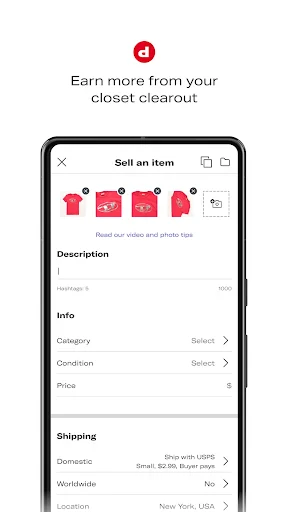
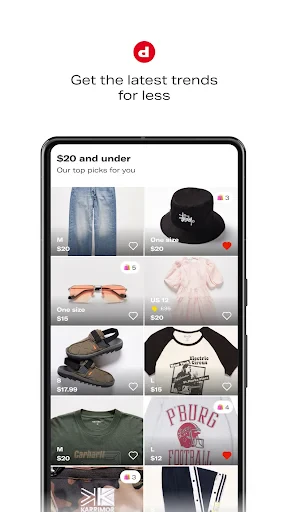
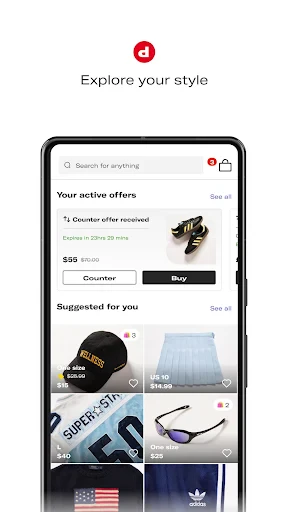
Depop’s core functions revolve around a streamlined mobile shopping and selling experience. The app allows users to upload product listings by taking or selecting photos, adding descriptions, setting prices, and choosing shipping options. A powerful search and discovery engine filters items by category, brand, size, color, and price range. The social layer includes a follow system, a personalized feed based on user interests, and the ability to like or save items to a wishlist. In-app messaging facilitates direct communication between buyers and sellers for questions or negotiation. Depop also integrates with payment systems like PayPal and Depop Payments for secure transactions. For sellers, the app provides analytics tools to track listing views and sales performance. Additionally, users can relist items, offer discounts to followers, and ship items either on their own or through a pre-paid shipping label service provided by the app. The combination of visual browsing and social interaction creates an engaging, marketplace-like environment.
Chapter 2: Value
Depop’s primary value proposition lies in democratizing fashion resale while promoting sustainability and individuality. For buyers, the app offers access to a vast, ever-changing inventory of affordable vintage clothing, rare streetwear drops, and handmade or customized pieces that are difficult to find in traditional retail. This allows users to curate a unique personal style without supporting fast fashion production. For sellers, Depop provides a low-barrier entry to entrepreneurship: anyone with a smartphone can turn their closet into a storefront, making it an accessible side hustle or full-time business. The app’s social features foster community and trust through transparent ratings and reviews, reducing the risk of fraud. Environmentally, Depop contributes to the circular fashion economy by extending the lifecycle of garments, reducing textile waste, and lowering the carbon footprint associated with new clothing manufacturing. Financially, buyers save money compared to buying new, while sellers recoup value from unused items. The platform’s algorithm rewards quality listings and engagement, helping small sellers compete with larger resellers. Additionally, Depop’s focus on niche aesthetics, from Y2K to goth to minimalism, ensures that users can find exactly what fits their taste, creating a sense of discovery often absent from mass-market apps. This combination of economic, environmental, and social benefits makes Depop a compelling choice for fashion-conscious consumers.
Chapter 3: Scenarios
Depop’s primary target user groups are fashion-forward individuals aged 16 to 30, particularly Gen Z and younger millennials who value sustainability, affordability, and uniqueness. Everyday use cases include a college student searching for affordable vintage band t-shirts to build a retro wardrobe, or a streetwear enthusiast looking for limited-edition sneakers or hoodies that have sold out elsewhere. Another common scenario is a minimalist decluttering their closet: a user photographs unwanted clothing, lists them at competitive prices, and ships them out within days, earning extra income while reducing waste. Small-scale fashion entrepreneurs use Depop to launch their own curated thrift stores, sourcing items from charity shops or wholesalers and reselling them with styled photos. The app is also popular among costume designers or fashion stylists who need specific eras or obscure brands for projects. Additionally, Depop serves as a platform for emerging independent designers to sell handmade or upcycled garments directly to a built-in audience. In daily life, users scroll the feed during commutes, like items to save for later, and negotiate prices via direct message. The scenario also includes gift shopping: a user finds a rare vintage jacket for a friend’s birthday, completes the purchase, and has it shipped within three days. Depop thus fits seamlessly into both intentional shopping missions and casual, discovery-based browsing habits.
Advantages
- peer-to-peer marketplace blending social feed with shopping
- direct in-app messaging for negotiating prices with sellers
- AI-driven recommendations based on your style and browsing history
- one-tap listing creation using camera and auto-description
- integrated shipping label generation with tracked delivery
Disadvantages
- seller payout can take up to 5 business days after sale
- returns policy determined solely by individual sellers
- search algorithm sometimes buries new or niche items
- app requires stable internet for image-heavy browsing
- no built-in authentication service for luxury brands
Frequently Asked Questions
Q: What is Depop and how does it work?
A: Depop is a peer-to-peer social shopping app focused on secondhand and vintage clothing. Users can buy and sell items directly, similar to Instagram meets eBay. The app relies on user profiles, listings with photos, and direct messaging for transactions. Sales are completed through integrated payment systems, and shipping is handled between parties.
Q: Is Depop free to use or are there fees?
A: Depop is free to download and browse. Sellers pay a 10% fee on each sold item plus a small transaction fee processed by Depop Payments. Buyers pay no additional fees beyond the listed price and shipping. Listing items and messaging are free. No subscription or hidden costs are required for standard use.
Q: What devices and systems are compatible with Depop?
A: Depop is available on iOS and Android smartphones via the official app stores. It also has a limited web version for browsing but full listing and purchasing features require the mobile app. Supported iOS versions include iOS 13 and later; Android requires version 6.0 or newer. No additional hardware is needed beyond a smartphone with internet access.
Q: Can I sell items that are not clothing on Depop?
A: Depop allows selling a variety of items beyond clothing, including accessories, shoes, bags, jewelry, home goods, electronics, and vintage collectibles. However, the platform is primarily fashion-focused. Prohibited items include counterfeit goods, weapons, drugs, and unsafe products. Sellers must comply with local laws and Depop’s listing guidelines.
Q: How do I handle a dispute or return as a buyer?
A: Depop offers a Buyer Protection program for eligible transactions completed through the app. If an item is not received, arrives damaged, or significantly not as described, buyers can file a claim within 30 days. Depop reviews the case and may issue a refund. Sellers are responsible for clear descriptions and secure shipping. Direct disputes outside of Depop are not supported.
Technical Information
Recommended for You

SmartHQ

GoWish - Your Digital Wishlist

My Drama: Short Stories & Reel

Enterprise Car Rental

Voice Recorder: Memos & Audio

Photo Recover-File Recovery

Time Warp Scan Cam&Face Filter

ZoZo Player - URL Video Player

Beats

Adobe Premiere Rush

Smarters Pro - Mobile

Journal: Notes, Planner, PDFs

YouTube Create

Baby Shark Hospital Play: Game

Storybook: Calm Bedtime, Sleep

Tide Charts

Afterpay: Pay over time

FreePrints Photobooks

Panera Bread

Trailforks

Offscreen Video Recorder

HaloVPN Pro: Fast VPN Proxy

Protect Me
