Monash University FODMAP diet

Monash University FODMAP diet
Monash FODMAP diet app trusted gut guide
Screenshots


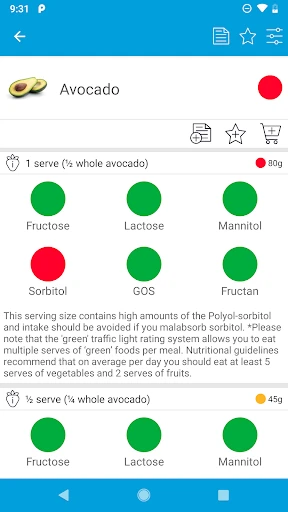

Monash University FODMAP diet: A Science-Based Gut Health Solution
The Monash University FODMAP diet app is the official digital companion for the Low FODMAP diet, developed by the original researchers at Monash University. It provides a comprehensive, evidence-based system for managing Irritable Bowel Syndrome (IBS) and other digestive disorders. The app combines a scientifically validated food database, a step-by-step diet guide, and symptom tracking tools to help users identify their personal food triggers. By translating complex research into practical, daily-use features, it empowers users to improve their gut health without guesswork or misinformation.
Chapter 1: Function
The core functions of the Monash University FODMAP diet app center around its scientifically-graded food database and personalized dietary management tools. The food database contains thousands of items, each clearly labelled as low, moderate, or high in FODMAPs using a traffic-light color system (green, orange, red). Users can search or scan barcodes to instantly check the FODMAP content of packaged foods. The app also includes a step-by-step guidance system for the three phases of the diet: elimination, reintroduction, and personalization. A built-in symptom tracker allows users to log daily meals and digestive symptoms, creating visual patterns that reveal individual tolerance levels. Additional features include a recipe section with low-FODMAP meal ideas, a shopping list generator, and educational articles explaining the science behind FODMAPs. Regular updates ensure the food database reflects the latest research findings.
Chapter 2: Value
The primary value of the Monash University FODMAP diet app lies in its scientific credibility and precision. As the official app from the institution that pioneered the Low FODMAP diet, it offers unparalleled accuracy compared to generic dietary apps or unverified online lists. This reliability reduces the risk of unnecessary food restrictions or accidental symptom triggers, which are common when using non-research-based sources. The app’s structured reintroduction phase is another major advantage: instead of a permanent restrictive diet, users learn exactly which specific FODMAP groups they can tolerate and in what quantities. This personalized approach preserves dietary variety while improving quality of life. The symptom tracking feature transforms subjective gut experiences into actionable data, helping users and healthcare professionals make informed adjustments. Furthermore, the app saves time and mental energy by eliminating the need to manually research individual foods. For people with IBS who often face confusion and conflicting advice, this app provides a single, authoritative source of truth. Its value extends to dietitians and gastroenterologists as a clinical tool to guide patient education and monitor progress. By combining academic rigor with user-friendly design, the app bridges the gap between complex medical research and everyday food choices.
Chapter 3: Scenarios
The Monash University FODMAP diet app is designed for individuals suffering from IBS, small intestinal bacterial overgrowth (SIBO), or other functional gastrointestinal disorders. It is also used by healthcare professionals such as registered dietitians, gastroenterologists, and primary care physicians who guide patients through the Low FODMAP diet. Everyday use cases include a person with IBS preparing meals at home: they can open the app while cooking to verify whether ingredients like onion, garlic, or certain fruits are safe to eat. Another typical scenario involves grocery shopping: users scan barcode labels on packaged items to quickly confirm their FODMAP level, avoiding accidental purchases that could trigger bloating or cramps. For those eating out, the app helps negotiate restaurant menus by identifying risky ingredients. During the reintroduction phase, a user might log a small test portion of a high-FODMAP food, such as bread, and record any symptoms over the next 24 hours. The app is also valuable for travelers who need reliable food guidance in unfamiliar settings. Moreover, new users often start the app shortly after receiving an IBS diagnosis, using it to follow the elimination phase strictly for two to six weeks before gradually reintroducing foods. By addressing these real-life scenarios, the app transforms the management of a chronic digestive condition from a burden into a manageable, research-backed routine.
Advantages
- step-by-step elimination diet guidance from Monash
- barcode scanner identifies safe foods instantly
- symptoms tracker links directly to trigger foods
- serving sizes show exact FODMAP limits per meal
- evidence-based diet backed by Monash University research
Disadvantages
- limited food database outside Australian brands
- requires manual logging for every meal
- no integration with other health tracking apps
- subscription fee for full feature access
- beginner learning curve for FODMAP categories
Frequently Asked Questions
Q: What is the Monash University FODMAP diet app used for?
A: This app serves as the official guide to the low FODMAP diet for managing Irritable Bowel Syndrome (IBS) symptoms. It provides a scientifically validated food database, allows users to search or scan barcodes, and indicates FODMAP content. It includes a dietitian-designed meal plan, symptom tracker, and educational resources. The app is based solely on Monash University's research and is updated regularly as new food data is tested.
Q: Is the app free to download and use fully?
A: The app has a one-time purchase price on app stores; it is not free. There are no recurring subscription fees or in-app purchases for core functionality. However, full access requires the initial payment. No additional equipment is needed beyond a smartphone. The cost covers the entire food database, meal plans, and future updates. There is no free trial currently available.
Q: Does this app work on all smartphones and tablets?
A: The app is compatible with iOS and Android operating systems. It requires iOS version 13.0 or later for Apple devices and Android 6.0 or later for Android devices. It is optimized for smartphones but works on tablets as well. The app does not require an internet connection for core database searches after initial download. No specific regional restrictions are mentioned, but it is primarily in English.
Q: How does the food database and barcode scanner function?
A: The database contains over 1,000 tested foods with precise FODMAP content per serving. The barcode scanner reads packaged foods and compares them to Monash's tested list. If a product is not in the database, the scanner won't provide a result. Users can manually search by food name. Each entry shows green (low), yellow (moderate), or red (high) FODMAP indicators. The data is updated periodically.
Q: Can I rely on the app for complete dietary advice?
A: No, the app is designed as a reference tool, not a replacement for professional medical advice. It provides accurate FODMAP data but does not diagnose conditions or create personalized elimination diets without user input. Monash University recommends consulting a registered dietitian experienced in FODMAPs before starting the diet. The app's symptom tracker helps users identify triggers, but interpretations should be guided by a healthcare provider.
Technical Information
Recommended for You

All Video Downloader Master

Stretch Fall - Watch face

Bedtime Stories for Kids Sleep

NeuroNation - Brain Training

Picta x Walgreens Photo Print

Readink - Read Good Web Novel

TripView

Quran Pro: Read the Holy Quran

Dictionary - Merriam-Webster

LEX18 Storm Tracker Weather

Mods&Skins for Melon

Sony | Music Center
Emoji Battery - Battery Icon

Pydroid 3 - IDE for Python 3

Maru - ComicViewer/TextReader

FAX App: Send Faxes from Phone

Donna AI Song & Music Maker

Nano Teleprompter

Messages: SMS Message Text App

Jakdojade: public transport

Contraction Timer & Counter 9m

YouCam Makeup - Selfie Editor
PhotoRescue-Recover Files