Mushroom Identification

Mushroom Identification
Mushroom ID Guide Identify Fungi Safely for Foragers
Screenshots
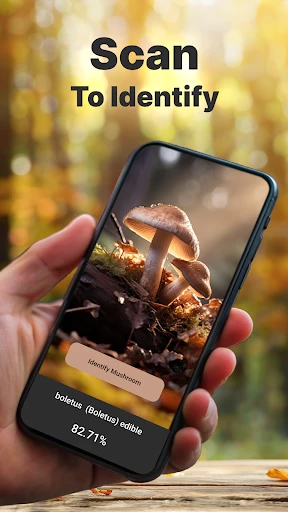
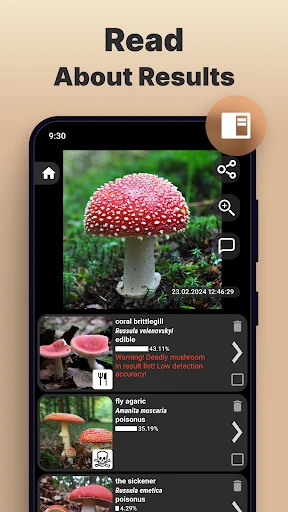
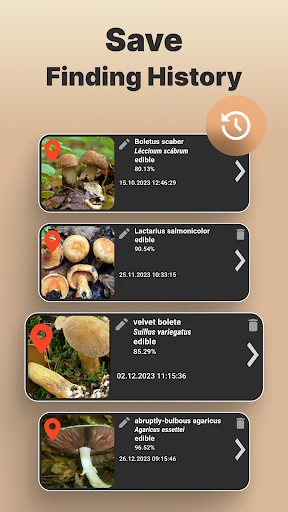
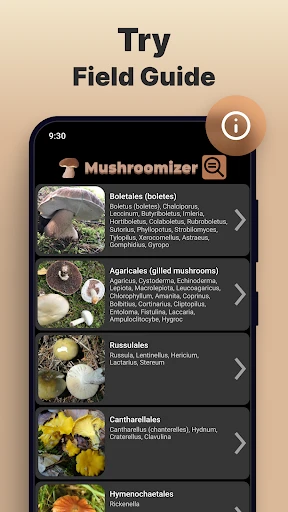
Mushroom Identification: Your Pocket Mycologist for Safe Foraging
Mushroom Identification is a specialized mobile application designed to help users accurately identify wild mushrooms using advanced image recognition technology. It serves as a digital field guide and safety tool for amateur foragers, nature enthusiasts, and professional mycologists alike. The app leverages a comprehensive database of thousands of mushroom species, combining visual analysis with detailed textual information to offer reliable identification. By simply taking a photo of a mushroom, users receive instant results that include the species name, edibility status, and distinguishing characteristics. The app emphasizes safety by clearly marking toxic and poisonous varieties and providing warnings to prevent accidental ingestion. Its offline mode ensures functionality in remote forested areas with limited internet connectivity, making it an essential companion for outdoor exploration. The interface is intuitive, allowing users to log their finds, build personal collections, and contribute to citizen science projects by sharing location data with research institutions. With regular updates reflecting new discoveries and regional variants, Mushroom Identification aims to democratize fungal knowledge and promote responsible foraging practices.
Chapter 1: Function
The core function of Mushroom Identification is its AI-powered visual recognition engine, which analyzes user-uploaded photographs against a vast botanical database. Users initiate the process by capturing a clear image of the mushroom cap, stem, gills, and surrounding habitat. The app then cross-references key visual features such as color, shape, texture, and spore print patterns to generate a list of likely matches ranked by confidence percentage. Beyond identification, the app provides detailed taxonomic information, including genus, species, and common synonyms. It integrates a dynamic edibility classification system with clear color-coded indicators: green for edible, yellow for caution, and red for poisonous. Additional functions include a glossary of mycological terms, a seasonal calendar showing peak fruiting times for local species, and a guided take-home checklist that helps users verify key identifying features before consumption. The app also features a journaling tool where users can record GPS coordinates, dates, and personal notes for each find, creating a lifelong foraging diary. For safety, it includes a first-aid guide for mushroom poisoning symptoms and a direct link to emergency services.
Chapter 2: Value
The primary value of Mushroom Identification lies in its ability to significantly reduce the risk of mushroom poisoning, which affects thousands of people globally each year. By providing instant, scientifically validated identifications, the app empowers users to make informed decisions about whether to harvest and consume a wild mushroom. Its key advantage over traditional paper field guides is its speed and accessibility; whereas manual identification requires time, expertise, and reference books, the app delivers results in seconds. The offline capability is a critical differentiator, ensuring reliability in remote wilderness areas where cellular service is unavailable. The app also fosters a deeper connection with nature by helping users recognize the incredible biodiversity of fungi, from common edible species like chanterelles and morels to rare and endangered varieties. It supports sustainable foraging practices by promoting the rule of never picking more than you can use and by providing guidance on proper harvesting techniques that minimize ecological impact. For citizen science, the app contributes valuable data to mycological research, helping scientists track species distribution, climate change effects, and invasive species movement. The social community feature allows users to share finds with other foragers, participate in identification challenges, and receive peer validation, creating a supportive learning environment. Ultimately, the app transforms foraging from a potentially dangerous activity into a safe, educational, and rewarding experience that encourages environmental stewardship.
Chapter 3: Scenarios
Mushroom Identification targets a diverse user base ranging from novice foragers to experienced mycologists. Primary target groups include outdoor enthusiasts such as hikers, campers, and backpackers who encounter mushrooms during their excursions and need quick identification for safety. Home cooks and culinary adventurers who seek to incorporate wild edibles into their meals form another key demographic, relying on the app to confirm species before cooking. Environmental educators and biology teachers use the app as a teaching tool to illustrate fungal ecology and taxonomy in classroom settings. Additionally, the app serves landowners and property managers who need to identify mushrooms growing on their grounds, especially in areas where children or pets might be exposed to toxic varieties. Everyday use cases include a morning walk in the woods where a user photographs an unfamiliar specimen, a foraging expedition where the app verifies each find before placing it in the basket, and a dinner party scenario where the host confirms the identity of mushrooms collected that day. During mushroom festivals and guided forays, the app acts as a collaborative identification tool among group members. It is also frequently used after rainfall to quickly assess what species have emerged in local parks or backyards. For safety-first scenarios, the app is consulted before any tasting, even for mushrooms that appear similar to known edibles, reinforcing the golden rule of foraging: never consume anything until you are 100 percent certain of its identity.
Advantages
- uses multi-angle photos for accurate species ID
- off-line mode works in remote forests without signal
- cross-references local seasonality to narrow results
- covers 10
- 000+ species with detailed spore print guides
- instant toxicity warning on each identification result
Disadvantages
- requires 3+ clear photos for reliable recognition
- no live video analysis for stalk or gill details
- database may lack rare regional mushroom varieties
- GPS location can misidentify similar species in border zones
- heavy rain or low light reduces photo scan success rate
Frequently Asked Questions
Q: What does Mushroom Identification do?
A: Mushroom Identification is a dedicated app that uses AI image recognition to identify wild mushrooms from photos. Its core function is to provide instant species suggestions with confidence scores, aiding foragers, hikers, and naturalists in preliminary identification. It includes a searchable database of thousands of mushroom species with detailed descriptions and toxicity warnings. No additional equipment is required beyond your phone camera.
Q: Is the app free to use or does it have in-app purchases?
A: The app offers a free tier with a limited number of daily identifications and access to basic species info. Full features, including unlimited identifications, detailed toxicity reports, and offline database access, require a subscription or one-time purchase. There are no hidden fees, and all purchases are clearly explained in the app store listing. No additional hardware or equipment is needed.
Q: Does it work on both iOS and Android devices?
A: Yes, Mushroom Identification is available for both iOS (iOS 14.0 or later) and Android (Android 8.0 or later) smartphones. It requires a rear camera and internet connection for the best identification accuracy. The app is optimized for phones and tablets, but not for desktop computers. There is no support for older operating systems.
Q: How accurate is the mushroom identification?
A: The identification accuracy depends on photo quality, lighting, and mushroom condition. The AI provides a confidence percentage for each match, but it is not 100% reliable, especially for similar-looking species. The app clearly states that it is a learning/assistance tool and cannot replace expert verification for consumption decisions. Users should cross-reference results with local field guides.
Q: Can I use the app offline when hiking?
A: Basic identification requires an internet connection to process images on cloud servers. However, the premium subscription allows downloading a selected regional species database for offline browsing and reference. The offline model does not support live photo identification and offers a reduced search function. Downloaded data takes about 200MB of storage. No after-sales maintenance is provided beyond app updates.
Technical Information
Recommended for You

Number Locator- Call Location

MatchLive: Football Live Score

FAMILIES | TalkingPoints

Solid Starts: Baby Food App

Sad ringtones phone 2024

Astrotalk - Talk to Astrologer

Turkish Airlines Flight Ticket

GroupMe

CryAnalyzer - baby translator

The NBC App - Stream TV Shows

Web Scan - Dual Accounts

Messages: SMS Text Messenger

Period Tracker and Calendar

PAeDocket

BBC World Service

Michaels Stores

Video Downloader All HD player

گهواره تربیت کودک و بارداری

Fubo: Watch Live TV & Sports
A Better Routeplanner (ABRP)

Verizon Family

GlossGenius

10bii Financial Calculator