Plantum - Plant Identifier

Plantum - Plant Identifier
Plant Identifier AI for quick plant disease cure help
Screenshots
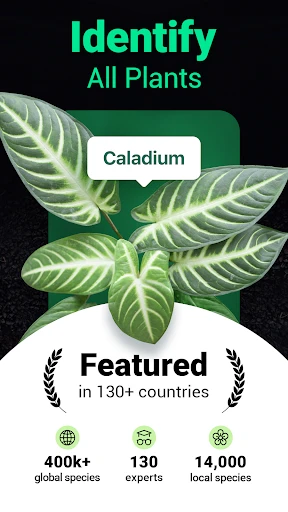
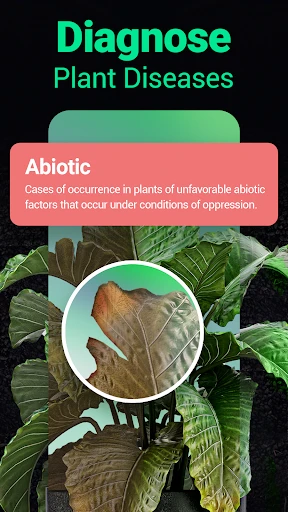
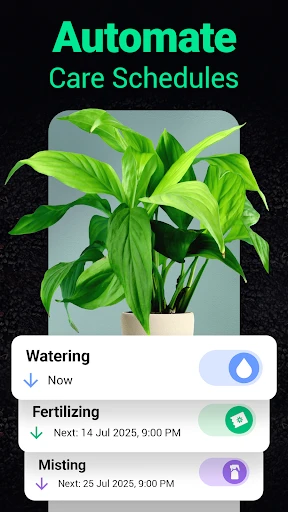
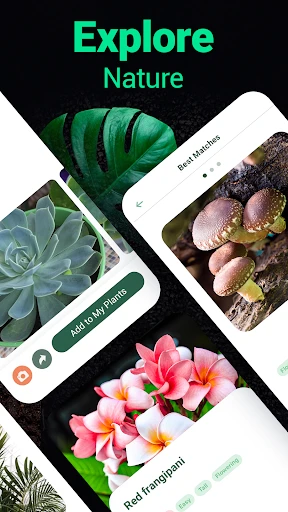
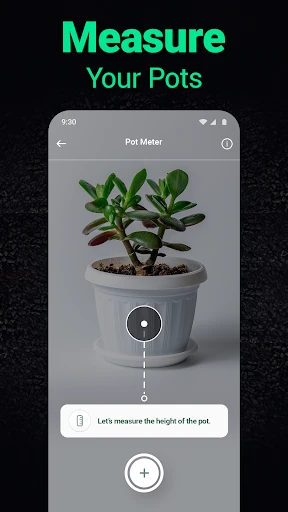
Plantum - Plant Identifier: Your Botanical Companion
Plantum is a mobile application designed to help users identify plants, trees, and flowers through image recognition technology. It provides comprehensive care guides, disease diagnosis, and a community platform for plant enthusiasts. The app simplifies the process of learning about flora, making it accessible to gardeners, botanists, and nature lovers alike.
Chapter 1: Function
Plantum's core function is accurate plant identification using a smartphone camera. Users take a photo of any plant part, including leaves, flowers, or bark, and the app analyzes the image against a vast database of botanical specimens. It delivers instant results with the plant's common and scientific name, along with key characteristics. Beyond identification, the app offers detailed care instructions tailored to each species, covering watering schedules, sunlight requirements, and soil preferences. A notable feature is the plant disease diagnosis tool, which detects common ailments from leaf spots to pests, and suggests treatments. The app also includes a personalized plant collection feature, allowing users to catalog their own plants and receive reminders for watering or fertilizing. This integrated approach turns simple identification into a holistic plant management tool for users of all skill levels.
Chapter 2: Value
Plantum delivers significant value by bridging the gap between casual curiosity and expert botanical knowledge. Its primary advantage is eliminating guesswork: users can instantly verify if a plant is toxic to pets, safe for indoor growth, or invasive in their region, preventing costly mistakes. The app empowers beginners by translating complex horticultural data into practical daily advice, reducing plant mortality and fostering gardening success. For experienced users, it serves as a portable reference library, enabling rapid classification during field walks without carrying heavy guidebooks. The disease diagnosis feature provides economic value by potentially saving expensive landscape plants through early intervention. Additionally, the app creates a social value network through its community features, where users share insights, verify identifications, and exchange propagation tips. This collective intelligence grows the knowledge base while building engagement. Unlike generic search engines, Plantum delivers curated, botanical-source-verified information, ensuring reliability. The integration of reminders ensures consistent plant care, transforming sporadic hobbyists into successful gardeners. Overall, the app reduces the barrier to entry for botany and horticulture, making plant science practical and enjoyable for everyday life.
Chapter 3: Scenarios
Plantum serves a diverse range of users across multiple scenarios. Primary target groups include home gardeners who need quick identification of new nursery purchases or unknown species sprouting in their yards, allowing them to apply correct care. Urban apartment dwellers with indoor plants use the app for trouble-shooting yellowing leaves or detecting pests like spider mites, improving their living space aesthetics. Hikers and nature enthusiasts rely on Plantum during outdoor excursions to identify wildflowers, edible mushrooms, or potentially poisonous berries, enhancing safety and educational value. Educators and parents utilize the app for interactive learning with children during nature walks, transforming outdoor time into engaging botany lessons. Landscape professionals, such as nursery staff and garden designers, use its database to verify plant cultivars and conditions before recommending species to clients. Plantum also serves pet owners concerned about toxic flora in their gardens or during walks. Daily use cases include morning garden inspections where users scan new growth, sharing identification results on social media, or cataloging a growing collection with personalized water schedules. The app fits seamlessly into both spontaneous curiosity moments structured routines like weekly plant health checks
Advantages
- identifies 15
- 000+ plant species with 95% accuracy
- diagnoses plant diseases from leaf photos instantly
- offers detailed care guides for each identified plant
- works offline after downloading regional flora database
- uses multi-angle photo analysis for rare hybrids
Disadvantages
- struggles with dried or damaged leaf samples
- requires clear close-up shots for reliable results
- no integration with gardening community forums or databases
- free tier limits daily identifications to 5 per day
- app size exceeds 2GB with full regional databases
Frequently Asked Questions
Q: What does Plantum do with a photo of my plant?
A: Plantum uses AI to identify plants, flowers, and trees from photos. After taking a picture, the app analyzes visual features and provides the species name, care guides, and common characteristics. It also offers disease detection and watering reminders based on the identified plant type.
Q: Is Plantum free to use or does it require a subscription?
A: Plantum offers a free tier with basic identification and limited daily scans. Premium features like unlimited identification, detailed care guides, disease diagnosis, and ad-free experience require a paid subscription. No additional equipment is needed; only a smartphone camera and internet connection.
Q: Does Plantum work offline without an internet connection?
A: No, Plantum requires an internet connection for plant identification because the AI processing happens on remote servers. Offline functionality is not available. However, once identified, some care information can be accessed briefly without connectivity if previously loaded.
Q: How accurate is Plantum at identifying rare or unusual plants?
A: Plantum performs best with common garden plants, houseplants, and regional flora. Accuracy for rare or unusual species is lower, as the AI database may lack sufficient training data. The app provides confidence percentages for each ID result, helping users gauge reliability.
Q: Can Plantum diagnose plant diseases from photos alone?
A: Yes, Plantum includes a disease detection feature that analyzes leaf discoloration, spots, and deformities from photos. It suggests possible diseases, pests, or nutrient deficiencies with care recommendations. However, results are not a substitute for professional diagnosis, especially for severe cases.
Technical Information
Recommended for You

Cartoonify Me – Toon Photos

Yandex Maps and Navigator

Cinehut

Hide Photos, Video and App Loc

Banfield Pet Hospital

Video Editor & Maker VideoShow

Power Apps

MoneyTime - Play & Earn

Battery Charging Animation App

Magic Fluid: Live Wallpaper 4D

PocketBook reader - any books

Universal TV Remote for All TV

PlugShare - EV & Tesla Map

Smith's

SupportPay: Split Expenses

Cars.com: Buy and sell cars

NBC Connecticut News & Weather

Recraft

Ullu

Services Update Info

Pic Collage Maker Photo Editor

Fox News - Daily Breaking News

Total Mp3, offline music play