Babbel - Learn Languages
Babbel - Learn Languages
Babbel builds real world language skills for confident speaking
Screenshots

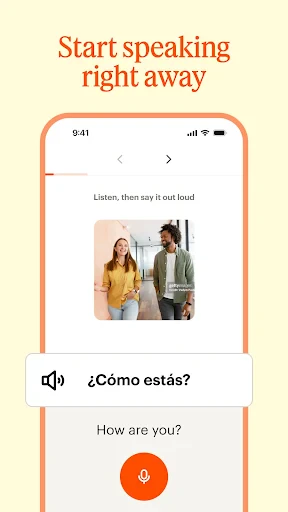
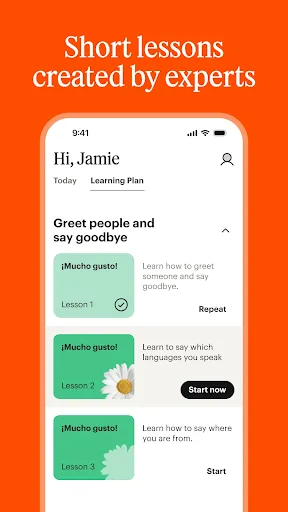


Babbel - Learn Languages: Practical and Effective Language Learning
Babbel is a subscription-based language learning app designed to help users achieve conversational proficiency in a new language. Unlike apps that focus solely on vocabulary memorization, Babbel emphasizes practical communication skills through structured lessons created by linguistic experts. The app covers 14 languages, including Spanish, French, German, Italian, and more, with a curriculum that adapts to the user's native language and learning pace. Babbel combines speech recognition technology, cultural tips, and review features to reinforce long-term retention. Its methodology is grounded in real-world scenarios, making it a popular choice for travelers, professionals, and casual learners who want tangible results quickly.
Chapter 1: Function
Babbel’s core functions center on building practical language skills through concise, interactive lessons that last 10-15 minutes each. The app employs a four-step approach: presentation, practice, production, and review. Each lesson introduces new vocabulary and grammar within a contextual dialogue, such as ordering food or introducing yourself. Users then practice using speech recognition to improve pronunciation and complete writing exercises to reinforce spelling. The app tracks progress with a personalized review manager that schedules repetition of previously learned material. Babbel also offers podcasts, games, and culture notes to deepen understanding. Key features include offline mode for learning without internet, course customization based on goals (e.g., travel or business), and a robust grammar index for quick reference.
Chapter 2: Value
Babbel’s primary value proposition lies in its academic rigor combined with accessibility, designed by over 150 language experts and linguists. Unlike gamified apps that prioritize entertainment, Babbel focuses on efficacy: its courses align with the Common European Framework of Reference for Languages (CEFR) to ensure measurable outcomes. A 2020 study by the City University of New York found that Babbel users advanced one CEFR level after 15 hours of study, with 96% of participants reporting improved speaking confidence. Key advantages include context-driven learning that mirrors real-life conversations, saving time by teaching relevant phrases. The app also addresses common pitfalls, such as false cognates and grammatical gender, through targeted explanations. For committed users, subscription plans are cost-effective compared to in-person classes, with lifetime access options available. Babbel promotes long-term retention through spaced repetition algorithms, reducing the need for rote memorization. Its speech recognition technology provides instant feedback, helping users sound more natural. Overall, Babbel balances depth and convenience, offering a structured path to fluency without overwhelming time commitments.
Chapter 3: Scenarios
Babbel appeals primarily to adults aged 18-45 who need functional language skills for specific goals rather than abstract fluency. The primary target users include professionals preparing for overseas assignments or meetings, expatriates moving to new countries, and frequent travelers seeking basic conversational tools. Everyday use cases include studying during daily commutes, lunch breaks, or short pauses at home, as lessons are designed for quick, focused sessions. Students often use it to supplement academic courses, while retirees use it for cognitive exercise and leisure travel. For example, a user planning a trip to Mexico might complete the Travel course covering hotel check-ins and restaurant dialogues, while a businessperson in Germany could focus on the Work course for email etiquette and meeting phrases. Babbel is also popular among bilingual individuals aiming to maintain or refine a third language. The app’s structured curriculum makes it suitable for consistent, self-directed learners who appreciate clear progression, but less ideal for those seeking casual, gameplay-heavy exploration.
Advantages
- adaptive speech recognition for accent correction
- 14 language courses with cultural context snippets
- offline mode downloads entire lessons for travel
- real-world dialogue simulations for ordering food
- progressive grammar building via contextual fill-ins
Disadvantages
- limited free content after first lesson per course
- no live tutor interaction for spontaneous questions
- heavy reliance on reading over listening immersion
- some advanced idioms missing from intermediate levels
- app crashes occasionally on older Android devices
Frequently Asked Questions
Q: What is Babbel and how does it teach languages?
A: Babbel is a language learning app offering 14 languages with structured lessons focused on real-life conversations. It uses spaced repetition and speech recognition to improve vocabulary, grammar, and pronunciation. Courses are designed by linguists and tailored to your native language for practical, goal-oriented learning.
Q: Is Babbel free to use or does it require a subscription?
A: Babbel is not free. It offers a limited free trial with the first lesson of each course. Full access requires a subscription, with monthly, quarterly, or yearly plans. No additional equipment is needed beyond a smartphone or tablet. Payment is required after the trial ends.
Q: Does Babbel work offline and on all devices?
A: Yes, Babbel supports offline mode for downloaded lessons, allowing learning without internet. It works on iOS and Android smartphones and tablets, as well as via web browser on desktop. A stable internet connection is needed for initial downloads and syncing progress across devices.
Q: How long are Babbel lessons and what is the time commitment?
A: Each Babbel lesson takes approximately 10-15 minutes to complete, designed for quick daily practice. The recommended commitment is 10-15 minutes per day. Users can set personalized goals and progress through courses at their own pace, with review sessions reinforcing past material.
Q: Can Babbel help achieve fluency in a language?
A: Babbel focuses on conversational proficiency for travel, work, or everyday situations, not full fluency. It covers A1 to B2 CEFR levels. For advanced fluency, supplementary resources like speaking with native speakers or immersion may be needed. Babbel does not offer live tutoring or certification.
Technical Information
Recommended for You

All Video Downloader: Play MP4

Bedtime Stories for Kids Sleep

Shuffles by Pinterest

Cantina

signNow: Sign & Fill PDF Docs

JUMIA Online Shopping

Atom - Movie Tickets & Times

Magic Fluid Live Wallpapers 5D

Uphold: Buy BTC, ETH and 300+

Invitation Maker: Cards & RSVP

Sereal+ Short Dramas&TV Series

Cover Hunter - 3v3 Team Battle

Asana: Where work connects
Carla Car Rental - Rent a Car

Hotmart

USB Camera Pro

Hexa AI: Logo & Design Creator

Shop Samsung

lPlayer - Offline Video Player

NFL
WAMR: Reveal deleted messages!

Live Soccer Scores - IGScore

Textra SMS
