Microsoft Teams

Microsoft Teams
Microsoft Teams team chat video calls for business
Screenshots
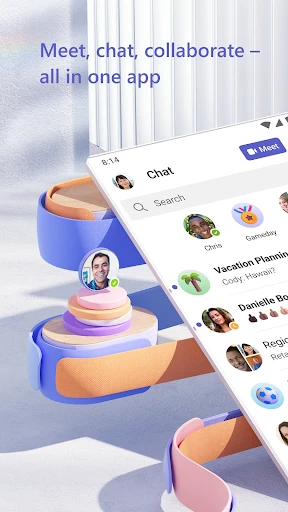
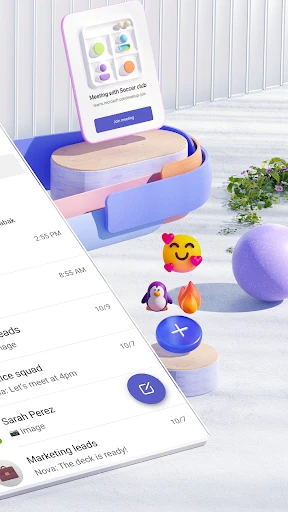

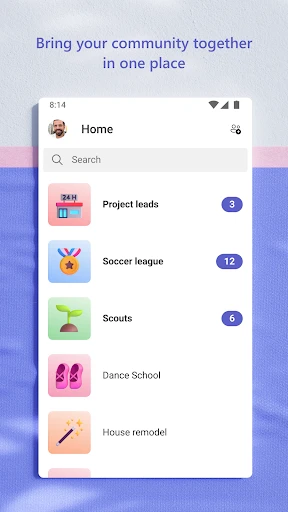

Microsoft Teams Collaborative Communication Hub
Microsoft Teams is a unified communication and collaboration platform that integrates workplace chat, video meetings, file storage, and application integration. It serves as a central hub for teamwork, allowing users to transition seamlessly between conversations, content creation, and decision-making. The app combines persistent chat with robust enterprise-grade security, making it suitable for organizations of all sizes. Its deep integration with Microsoft 365 enables real-time co-authoring of documents, shared calendars, and a comprehensive digital workspace that reduces reliance on scattered tools.
Chapter 1: Function
Microsoft Teams offers core functions including persistent group and private chat, high-definition video and audio conferencing with screen sharing and virtual backgrounds, and integrated file management through SharePoint and OneDrive. The platform supports channel-based conversations organized by project or department, enabling threaded discussions and quick access to shared documents. Teams also provides a built-in meeting scheduler that syncs with Outlook, live captions and transcription for accessibility, and a rich app ecosystem including third-party integrations like Trello, Asana, and GitHub. Additional features include the Teams Phone system for business calling, the Walkie Talkie push-to-talk function for frontline workers, and Together Mode that uses AI to place participants in a shared virtual environment for more engaging meetings.
Chapter 2: Value
The primary value of Microsoft Teams lies in its ability to centralize communication and reduce information silos, thereby increasing organizational productivity. By eliminating the need to switch between email, instant messaging, and separate file-sharing platforms, Teams saves an average of 30 minutes per user per day according to internal studies. The app s enterprise-grade security includes data loss prevention, multi-factor authentication, and compliance with major standards such as HIPAA, GDPR, and FedRAMP, making it a trusted choice for regulated industries. Its deep integration with the Microsoft 365 ecosystem allows users to co-edit Word, Excel, and PowerPoint documents in real time without leaving the interface, streamlining collaborative workflows. Scalability is another major advantage, supporting everything from small startups with tens of users to large enterprises with hundreds of thousands, while offering administrative controls for IT governance. The platform also supports external guest access, enabling secure collaboration with clients and partners outside the organization. Furthermore, Teams adaptive AI features, including meeting recaps, task suggestions, and noise suppression, enhance user experience and accessibility. The app consistently evolves with quarterly updates that respond to user feedback, maintaining a competitive edge in the unified communications market.
Chapter 3: Scenarios
Primary target users include corporate employees in knowledge-based industries such as technology, finance, healthcare, education, and professional services. Common everyday use cases involve daily stand-up meetings where remote team members share progress through threaded chat updates, or virtual brainstorming sessions using the digital whiteboard integrated within meetings. Educators use Teams to create online classrooms with assignment management, grading tools, and private feedback channels for students. Sales teams leverage the app for client presentations with live captions and recording capabilities, while project managers utilize Planner integration and channel-based task tracking to monitor deadlines. In healthcare, medical professionals conduct secure telehealth consultations through Teams compliance framework, and frontline workers in retail or manufacturing use the Walkie Talkie function on shared mobile devices to coordinate floor operations. The app also serves as a corporate social hub, hosting company-wide town halls with live Q and A and post-event analytics. Remote and hybrid workers rely on Teams for maintaining continuous connection to organizational culture, using features like praise badges and virtual watercooler channels to support informal interaction.
Advantages
- unlimited chat history search across teams
- native Office 365 document co-editing in-channel
- enterprise-grade compliance and data loss prevention
- inline video meetings with live captions and transcripts
- cross-platform sync with Outlook calendar and tasks
Disadvantages
- heavy memory usage on older laptops and mobile devices
- channel notification overload without granular per-channel mute
- slower startup time compared to Slack or Discord
- guest user access requires complex Azure AD configuration
- limited third-party app integrations outside Microsoft ecosystem
Frequently Asked Questions
Q: What is Microsoft Teams used for?
A: Microsoft Teams is a unified communication and collaboration platform that combines persistent workplace chat, video meetings, file storage, and application integration. It serves as a central hub for teamwork, allowing users to create channels for specific projects, conduct audio/video conferences, share files, and collaborate on Microsoft 365 documents in real time.
Q: Is Microsoft Teams free to use?
A: Microsoft Teams offers a free tier with unlimited chat, video calls for up to 60 minutes, and 10 GB of file storage. Advanced features like larger meeting capacity, recording, and admin controls require a paid Microsoft 365 subscription. No additional hardware is mandatory, but a webcam or microphone improves experience.
Q: How does Microsoft Teams work on mobile devices?
A: Microsoft Teams is available as a mobile app for iOS and Android. It supports chat, file sharing, and meeting participation, though some administrative features are limited. Mobile users can join meetings, view shared content, and receive push notifications. Full desktop functionality requires the PC or Mac app for optimal performance.
Q: Can I use Microsoft Teams without a Microsoft account?
A: No, a Microsoft account (work, school, or personal) is required to sign in. Guest access allows external users with a valid email to join specific teams or meetings without a full subscription. However, core features like channel creation and file sharing are restricted to authenticated users within the organization.
Q: Why is Microsoft Teams not opening or crashing?
A: Common causes include outdated app versions, insufficient device memory, or corrupted cache. Clear the Teams cache by deleting the %appdata%\Microsoft\Teams folder on Windows. Reinstall the app or check for OS updates. If issues persist, verify your firewall permits teams.microsoft.com and review Microsoft's service health dashboard for outages.
Technical Information
Recommended for You

ID Card, Passport, Driver Lice

Draw Animation - Anim Creator

Galatea: Books & Audiobooks

Lucky Craft Village & Farming

Christmas Wallpaper

Repixel: AI Photo Enhancer

Timestamp Camera Pro

Invoice Maker & Estimate Maker

Homeopathy at Home

ShopRite: Groceries & Savings

Facebook Lite

Too Good To Go: End Food Waste

All Video Downloader - V

Pi Browser

Currency converter offline

Tripadvisor: Plan & Book Trips

Game Booster Fire GFX- Fix Lag

Weather Radar & Weather Live

LEGO® Builder

Truth Bible: Audio+Verse

Tellonym: anonymous questions

SmartHQ

PredictWind - Marine Forecasts
